15 March 2024 | Galapagos Islands
Fernandina Island is the Galapagos’ western most isle, located just a stone’s throw off the Isabela Island’s north west coastline. Originally, the island was named Narborough Island in honor of 17th century English naval commander, Sir John Narborough. However, in 1825 American explorer, Captain Benjamin Morrell, renamed the island Fernandina in honor of King Fernando of Spain who was a key sponsor of Christopher Columbus.
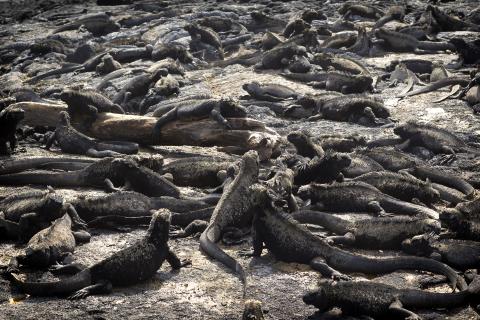
Today, Fernandina Island is renowned for its rich biodiversity and unique wildlife. As one of the youngest and most pristine islands in the Galapagos National Park, it has a particularly diverse range of species, many of which are found nowhere else in the world. The island is home to the largest colony of marine iguanas in the Galapagos, as well as the flightless cormorant — a bird species that has evolved to swim rather than fly. At the center of the island lies La Cumbre Volcano, an active shield volcano that has created and transformed the island’s dramatic landscapes over the centuries.
La Cumbre Volcano
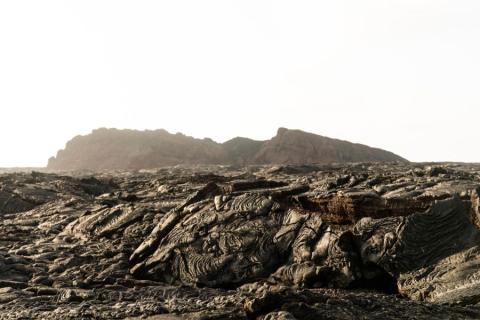
Fernandina Island’s volcanic history is an integral part of its geology and has played a significant role in shaping its environment. The island is one of the most volcanically active places on Earth, with its shield volcano, La Cumbre, having erupted at over ten times since the 19th century. The most recent eruption occurred in 2020, which was preceded by volcanic eruptions in 2009, 2011, and 2018.
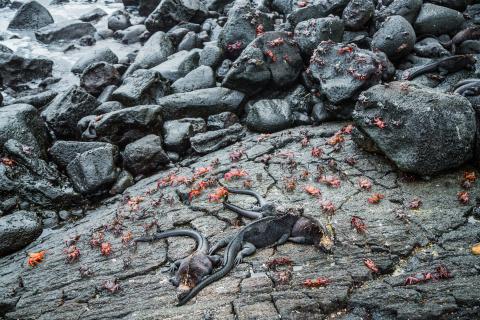
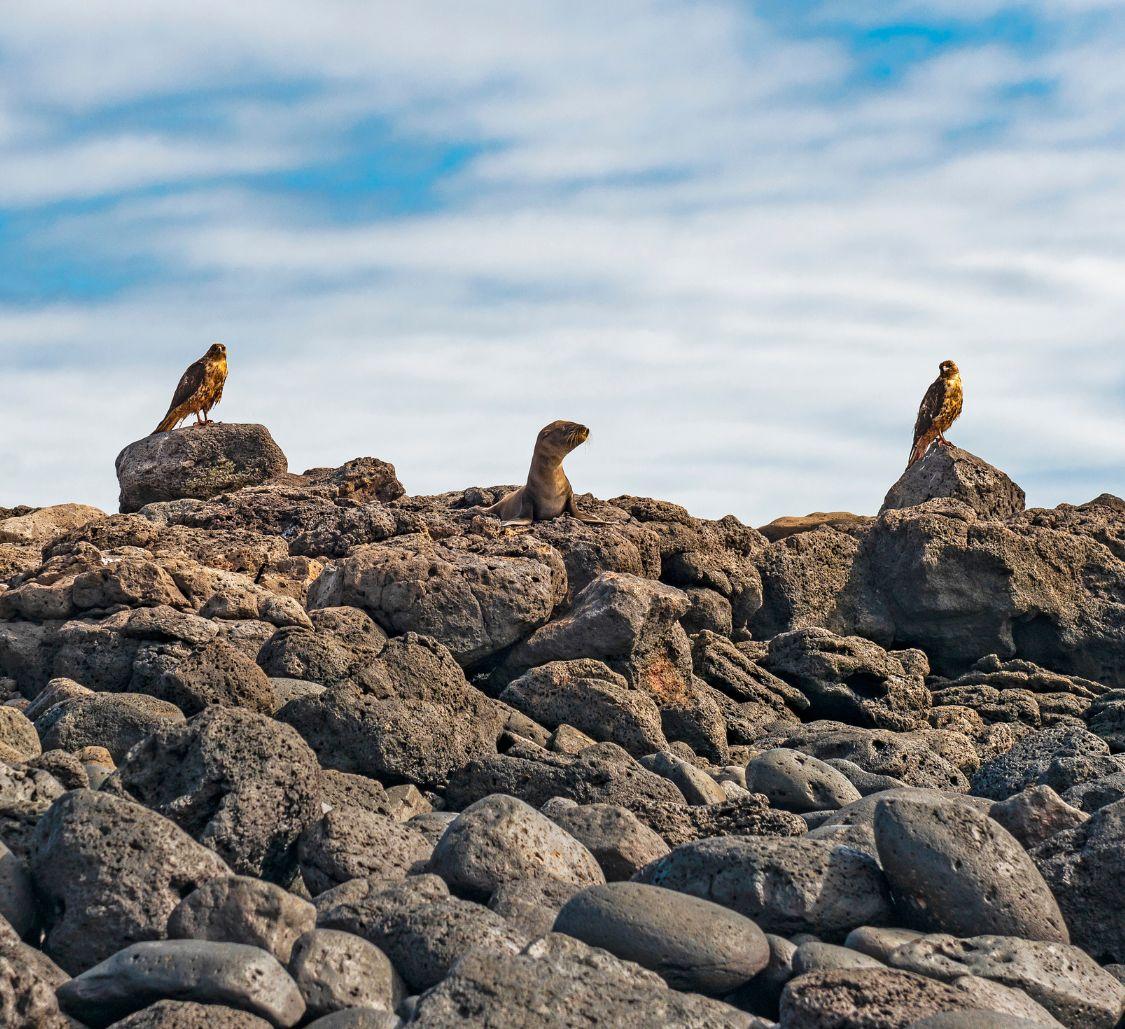
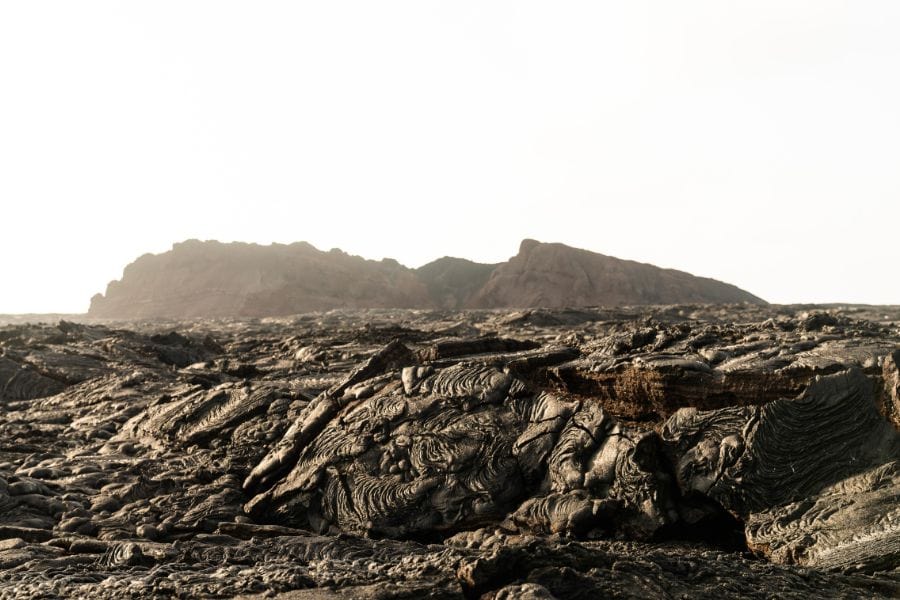
As a result of frequent eruptions, Fernandina is covered in distinctive sprawling lava fields that have become a major draw card for visitors exploring the Galapagos. Guests embarking on Aqua Mare’s West Galapagos itinerary can expect up-close encounters with large colonies of endemic marine iguanas, snakes, Galapagos penguins, Galapagos sea lions, sally lightfoot crabs, and flightless cormorants to name just a few.
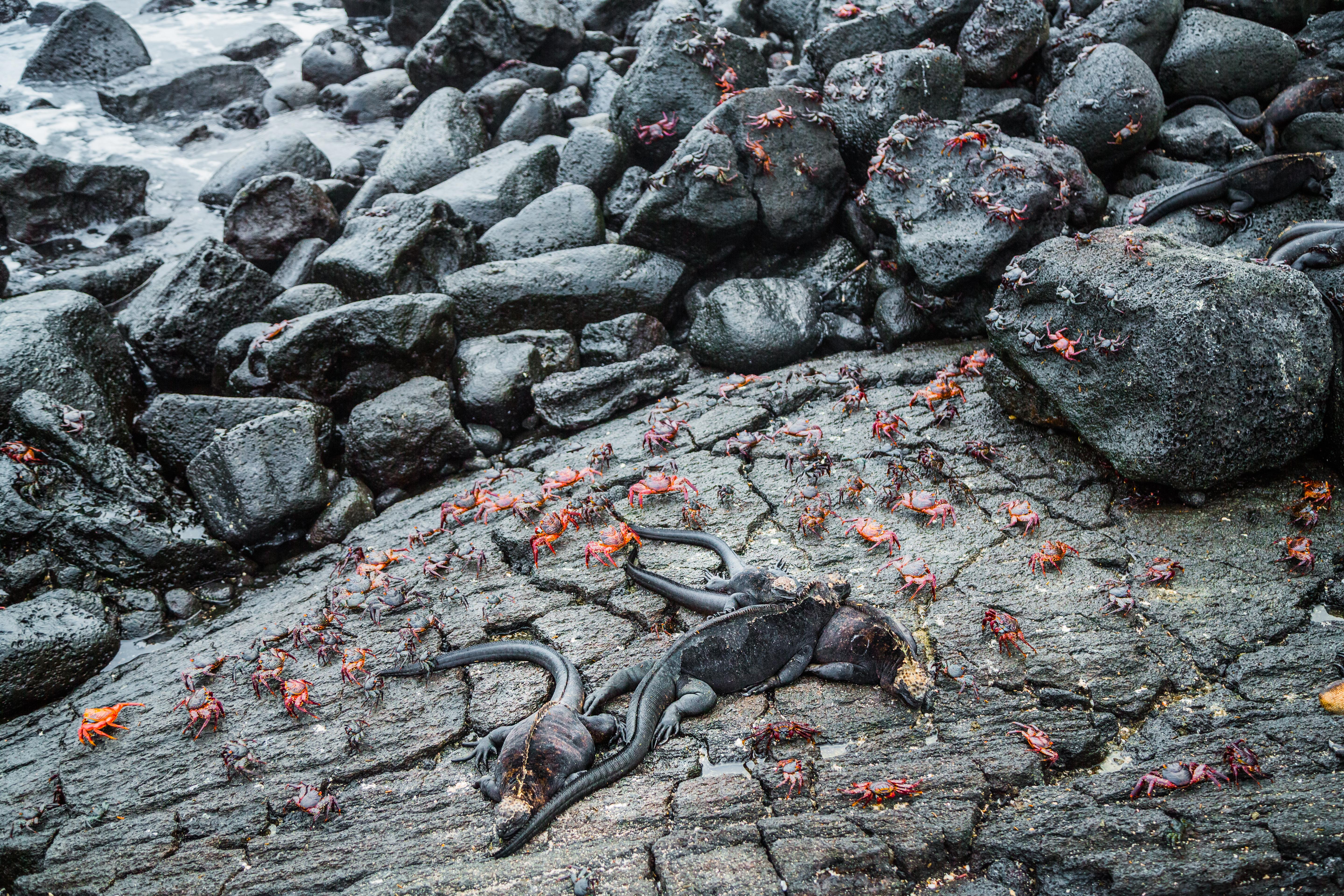
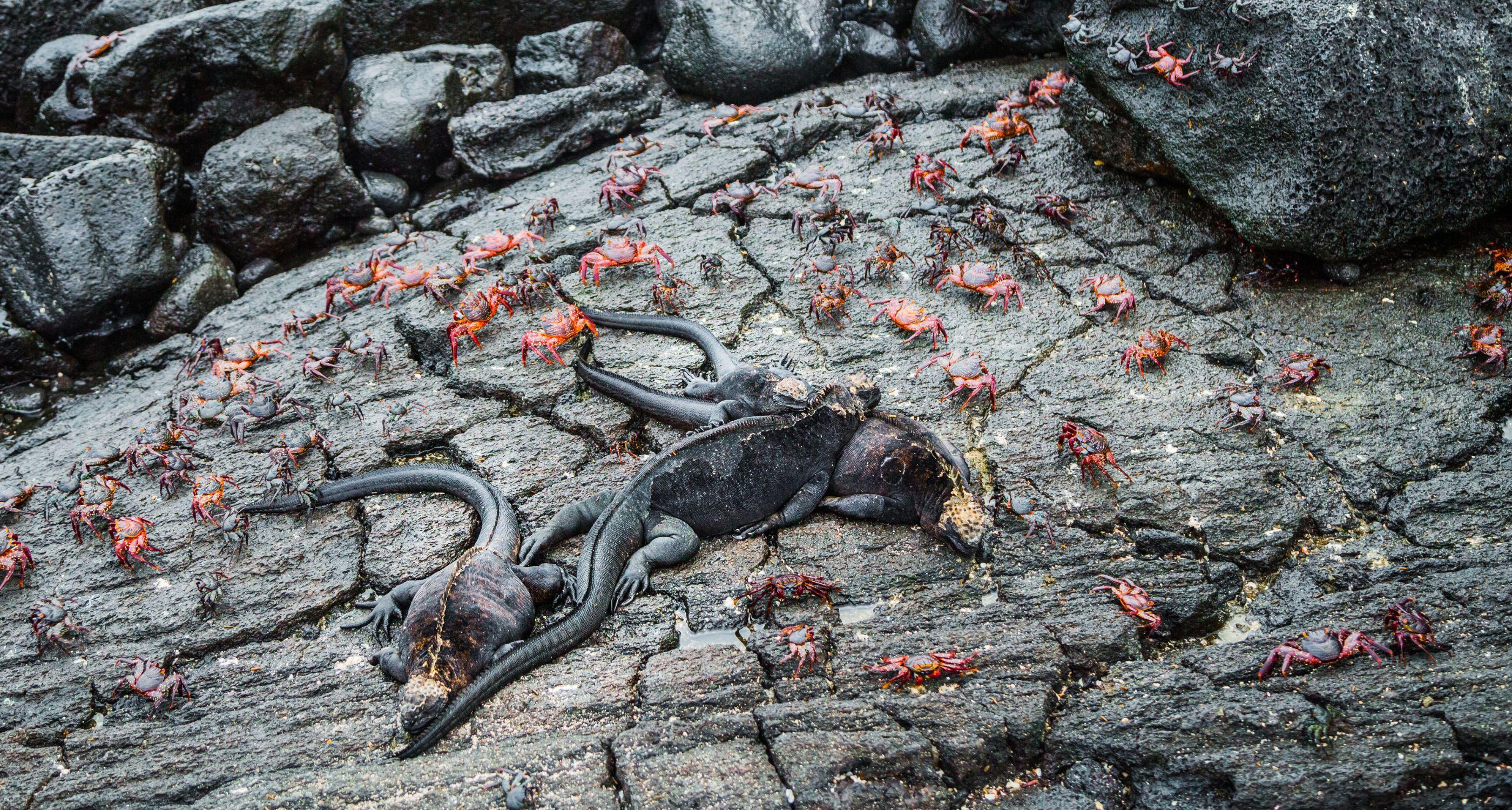
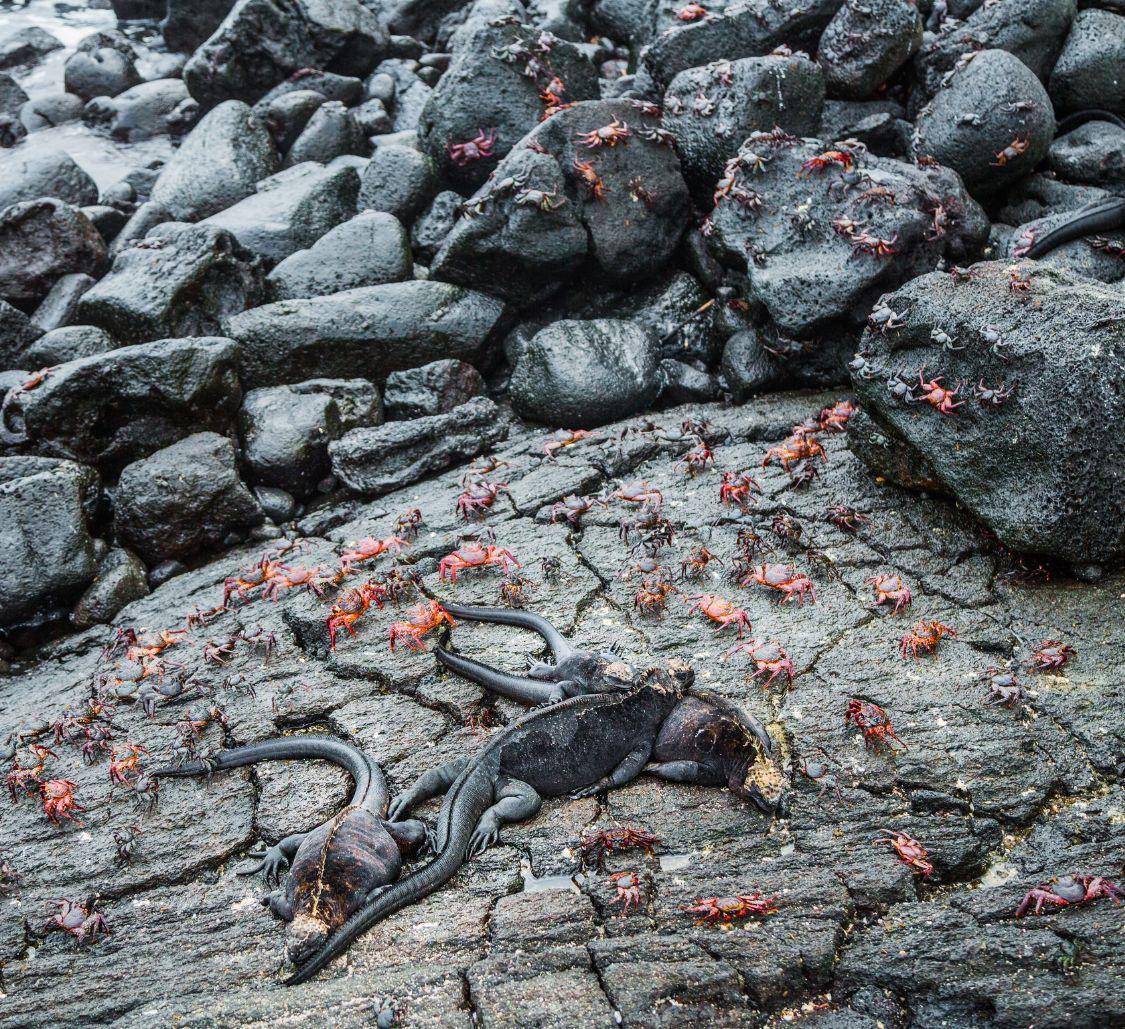
Punta Espinosa (Espinosa Point)
Punta Espinosa, an expansive jet-black field of brittle A’a lava and smooth ropy pahoehoe flows is the single visitor site on Fernandina Island. When visiting this barren landscape, guests have the option of two hikes: the marginally longer walk heads inland to the edge of the largest lava flow, while the shorter walk borders the peninsula. The island’s rugged terrain and lack of human development make for a challenging and rewarding hike. Both routes offer explorers the rare experience of observing endemic wildlife up close in their natural habitats.
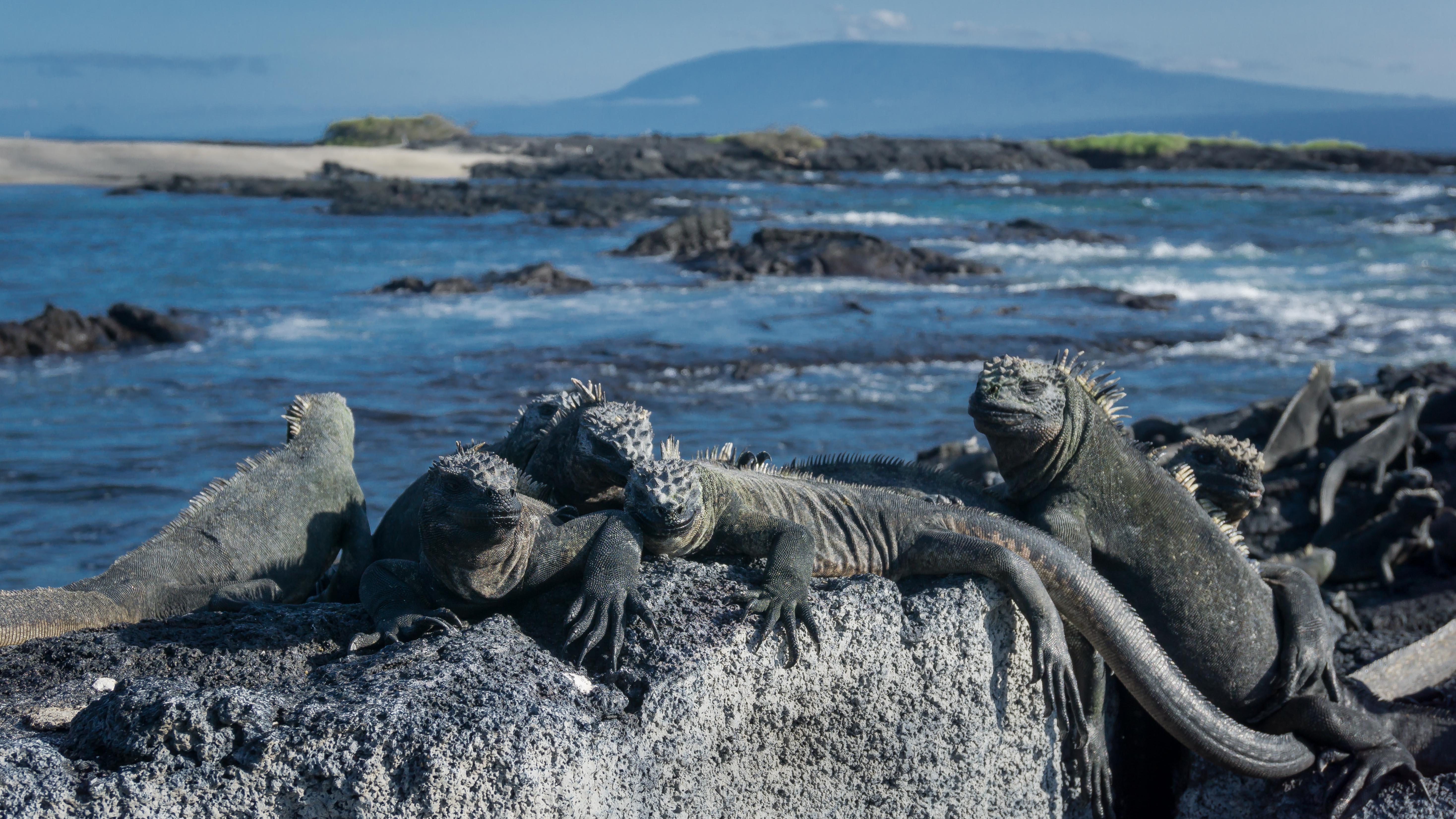
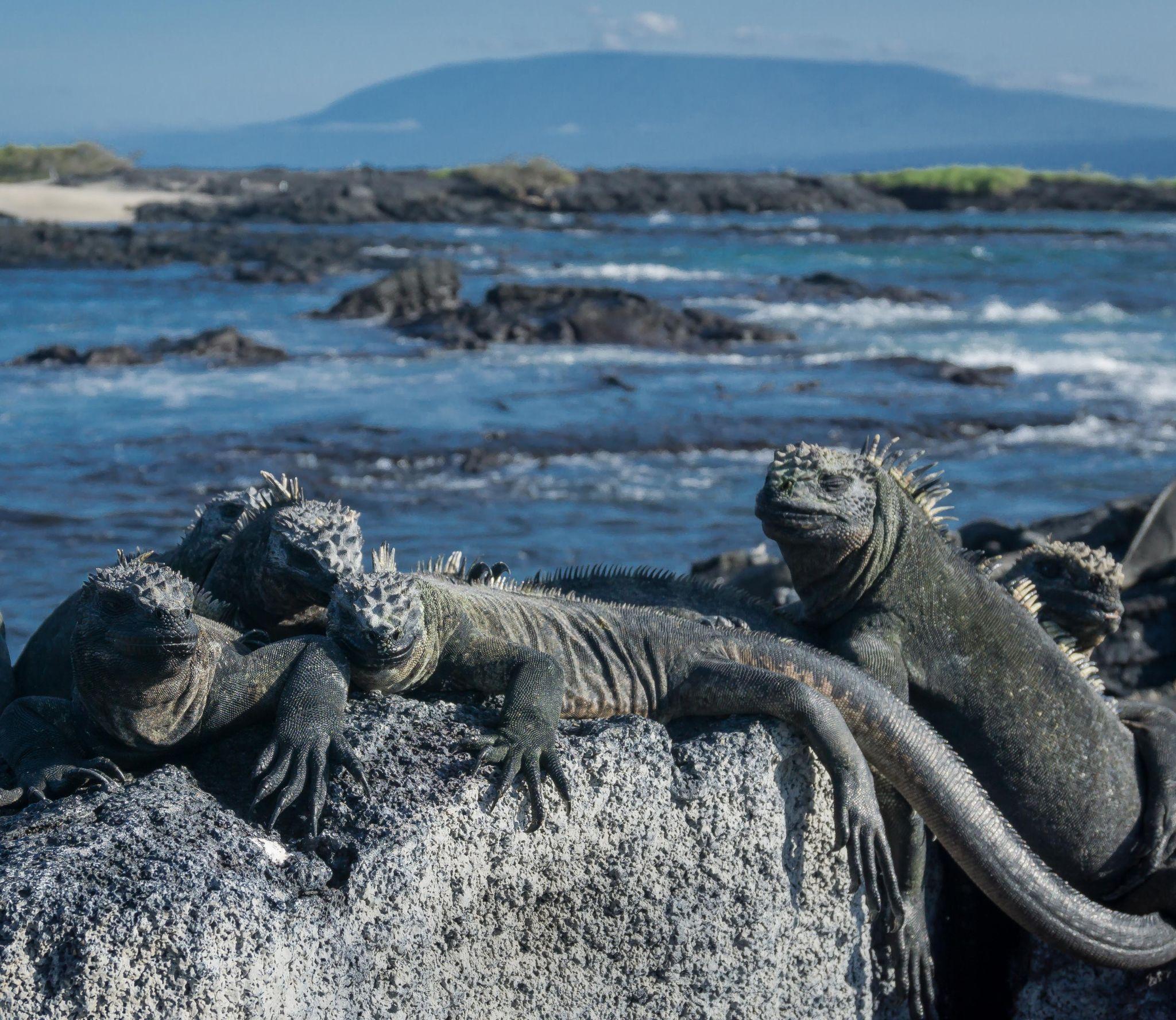
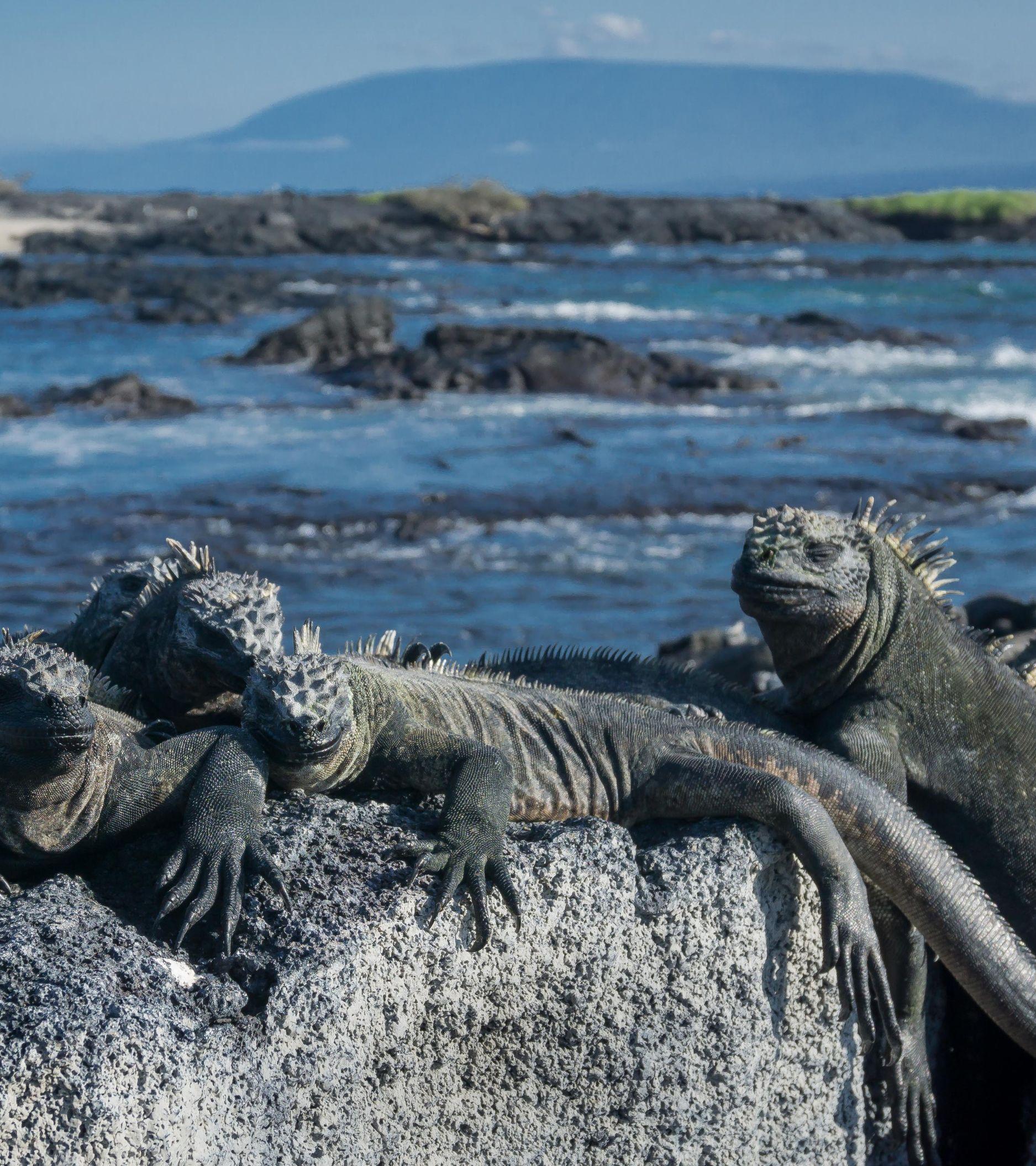
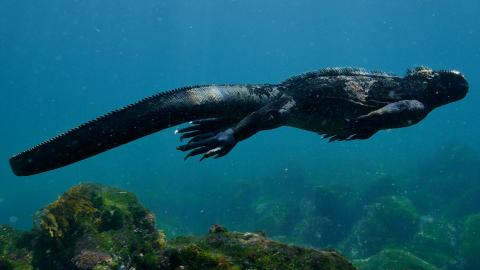
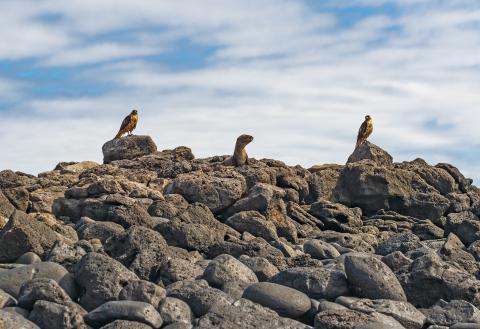
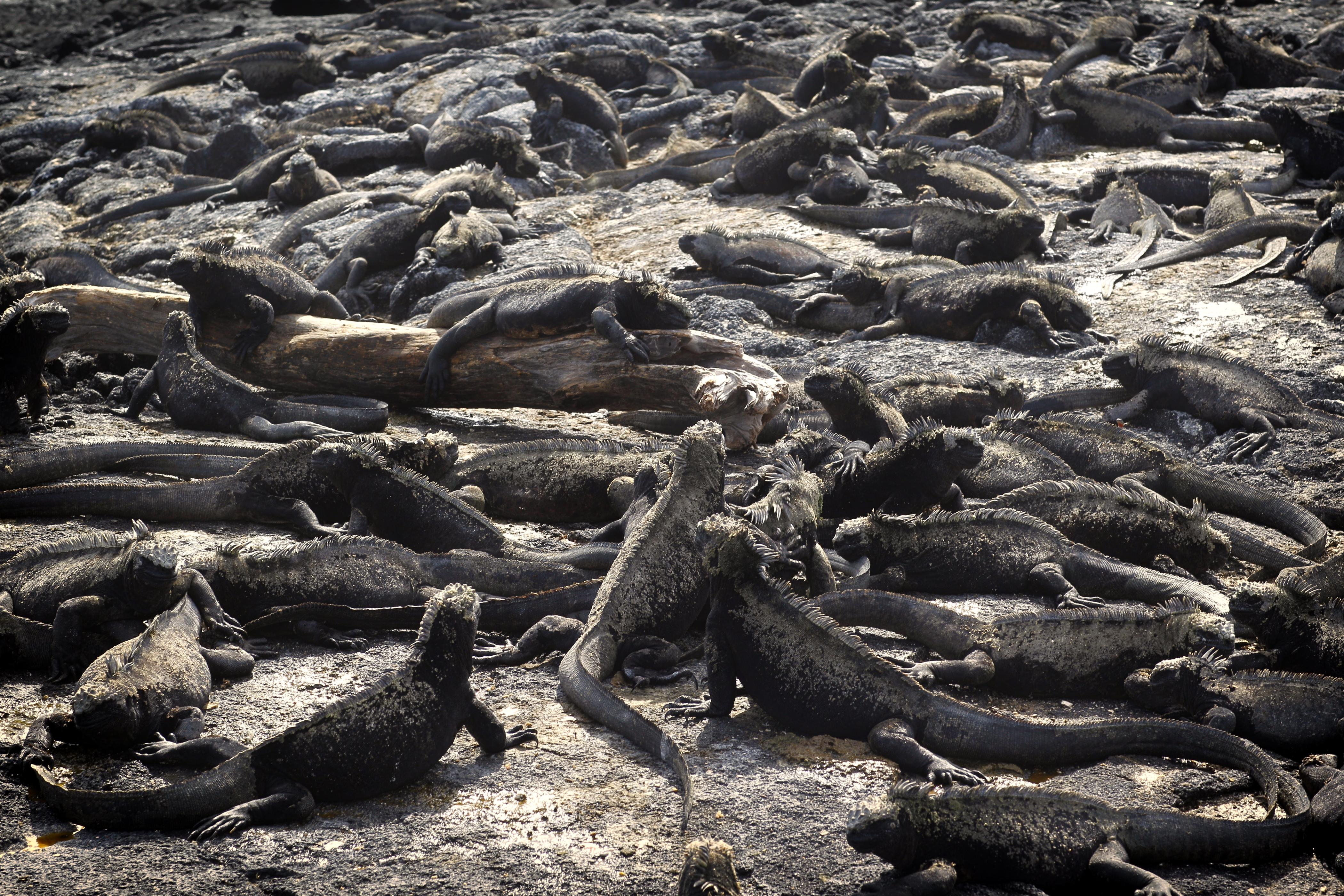
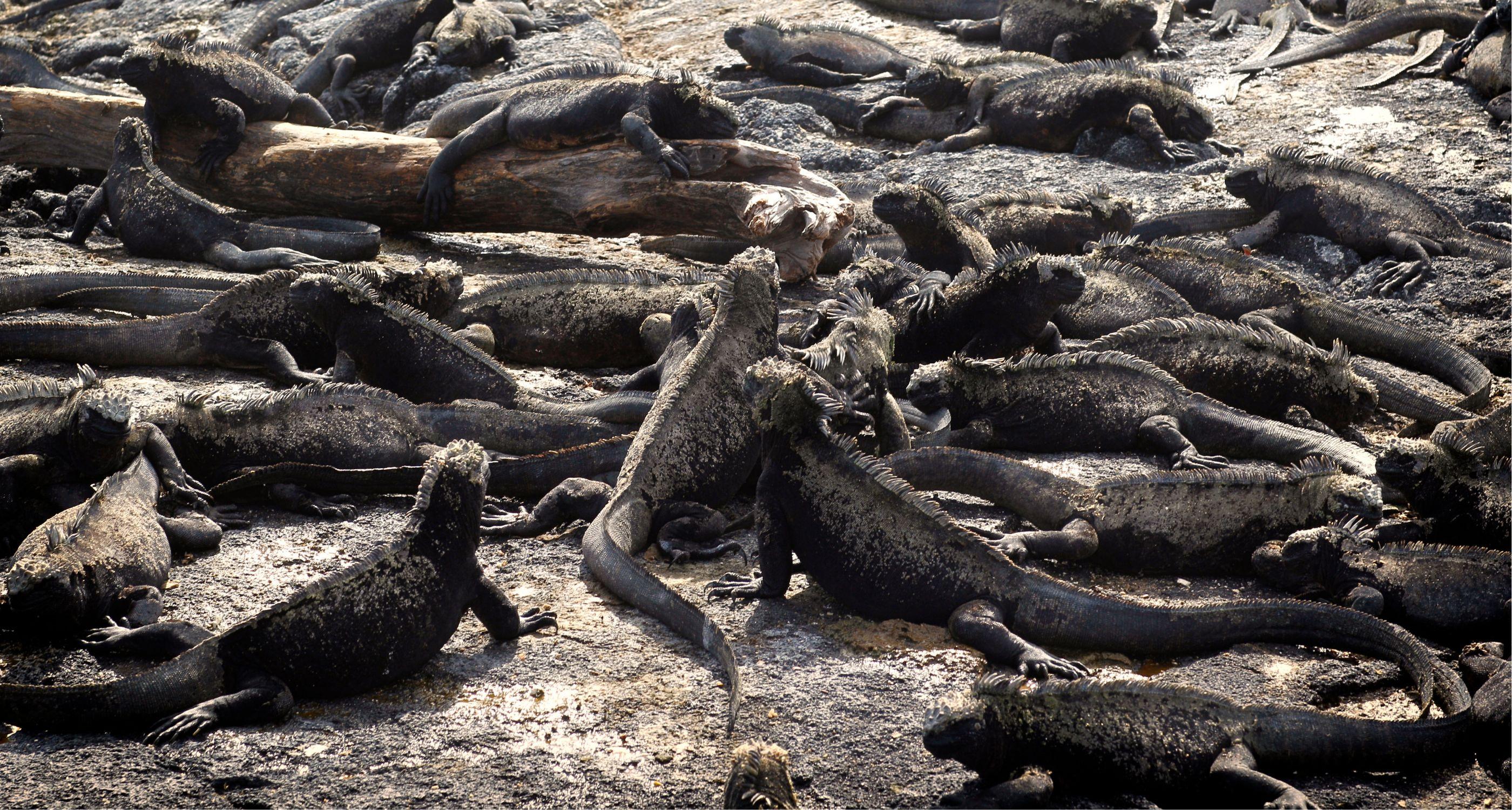
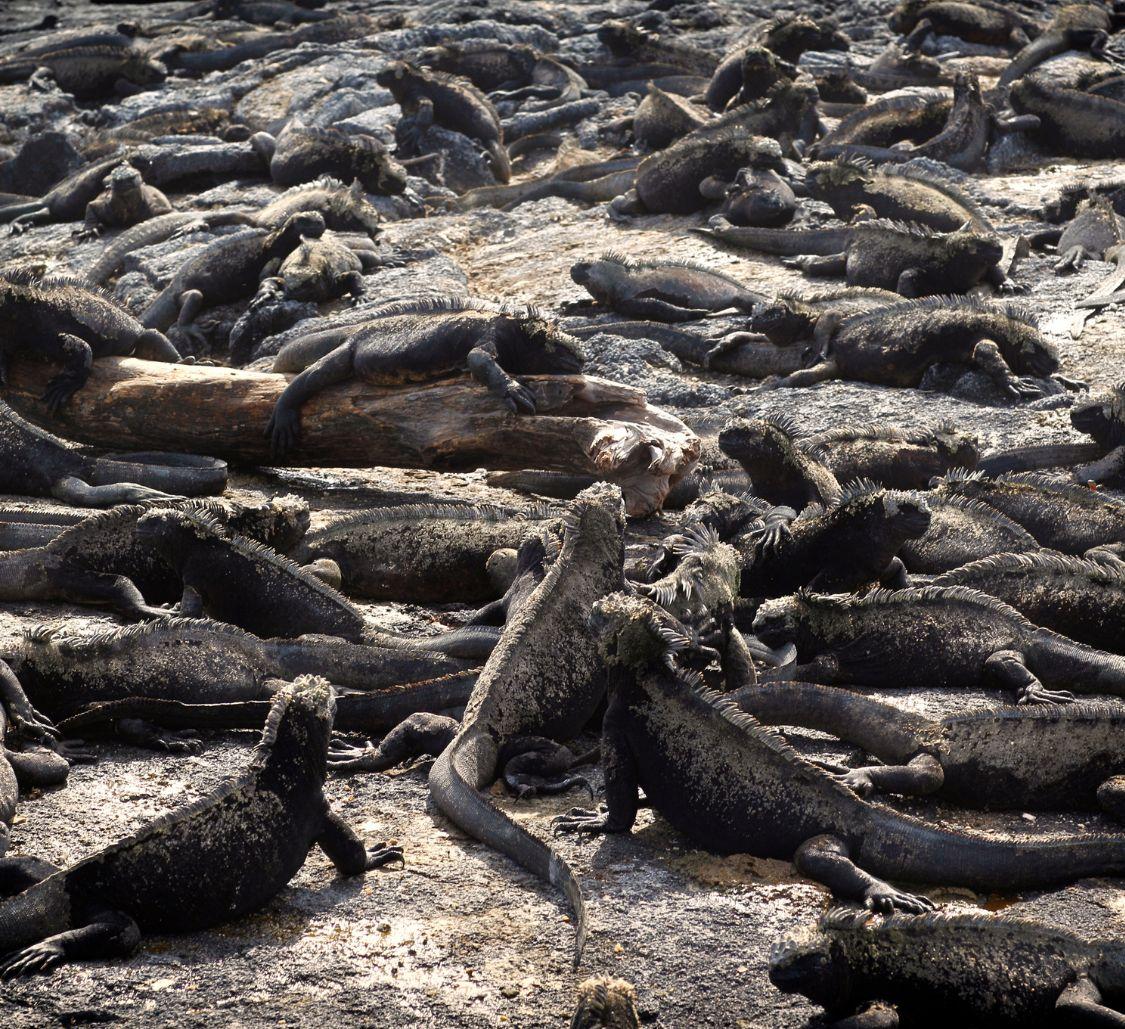
As soon as you arrive at this visitor site, you will inevitably stumble across one of Fernandina’s main attractions — a large colony of marine iguanas. These curious creatures are the only reptiles that have learned how to swim and visitors will often find them huddled together in sun for warmth (making for the perfect photo opportunity). The individuals found on this island are also distinct from the rest of the marine iguana populations found across the Galapagos National Park as they are the largest examples of the species and are much darker in color. Along the hike you will also spot Galapagos’ fames giant tortoise possibly lounging under a lava cactus, land iguanas, lava lizards, flightless cormorants, and sea lions.
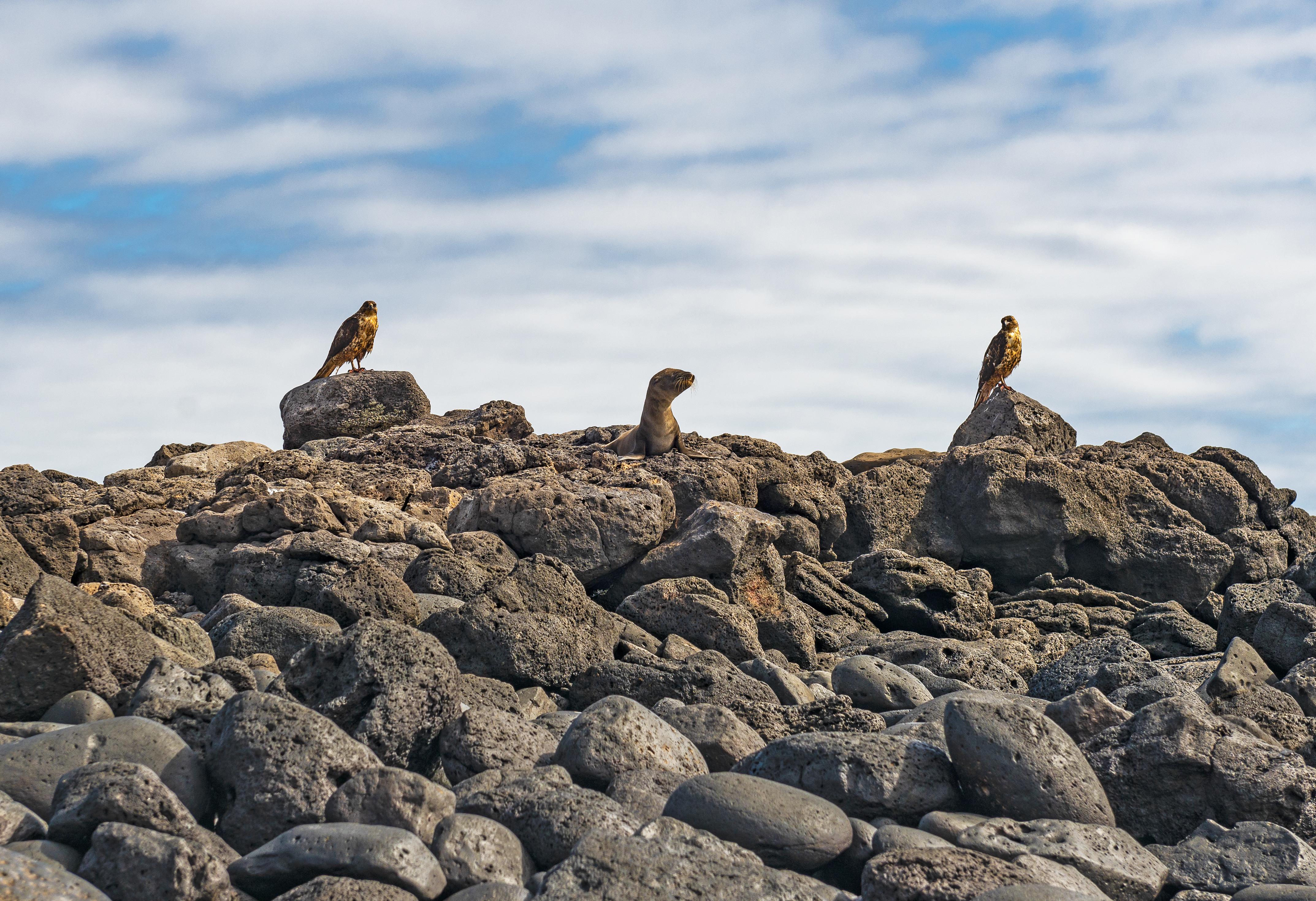
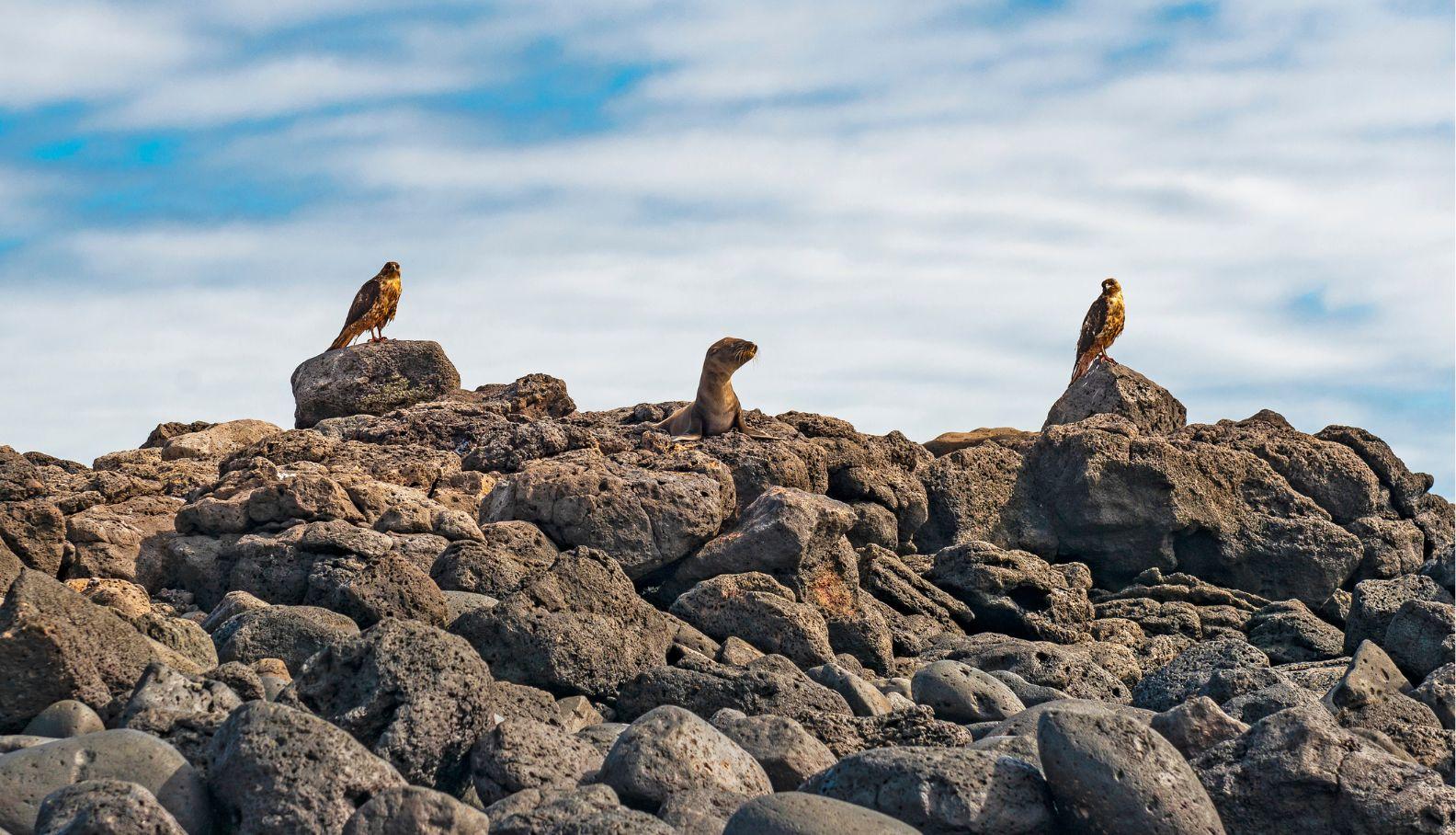
While the creatures on land may steal your focus, don’t forget to turn to the skies as this is the ideal place for birdwatchers. If you are lucky you may even spot a Galapagos hawk, frigate bird, or blue-footed booby.
Where to next: Isabela Island
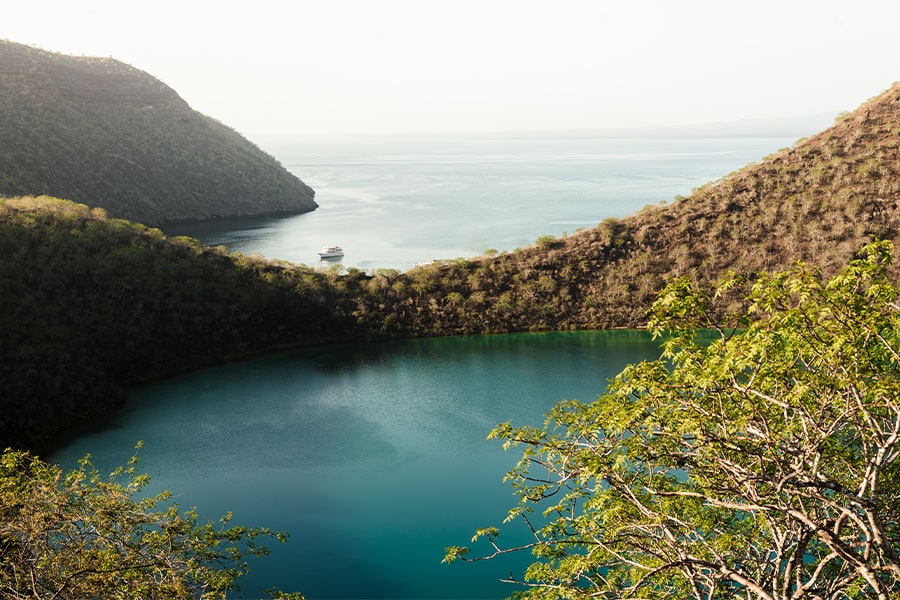
For those exploring the Galapagos Islands with Aqua Expeditions, Fernandina Island is visited on our West Galapagos Itinerary. After a thrilling morning traversing the sprawling Espinoza Point lava flows, guests will return to the 50-meter superyacht Aqua Mare for refreshments and a scrumptious lunch as we head for our next destination — Isabela Island.
Isabela Island is the youngest and largest island in the Galapagos. With an area of 4,586 square kilometers, it is also larger than all the other islands in the archipelago combined. Here Aqua Expeditions guests will explore three key visitor sites: Caleta Tagus (Tagus Cove), once a favorite anchorage spot for pirates and whalers; Darwin lake, a body of water three times saltier than the sea; and Punta Moreno (Moreno Point), an extensive basaltic lava field where we embark on a rewarding hike through an unforgettable landscape.
Book an expedition on Aqua Mare to discover the elusive wildlife and dramatic volcanic landscapes of the Galapagos Archipelago. Curated with exclusivity and personalized service enabled in mind, the yacht is the only one in the Galapagos Islands to have a one-to-one crew to guest ratio. Plan your trip now and feel free to reach out to our Expeditions Consultant with any questions you may have.