2 September 2024 | Mekong
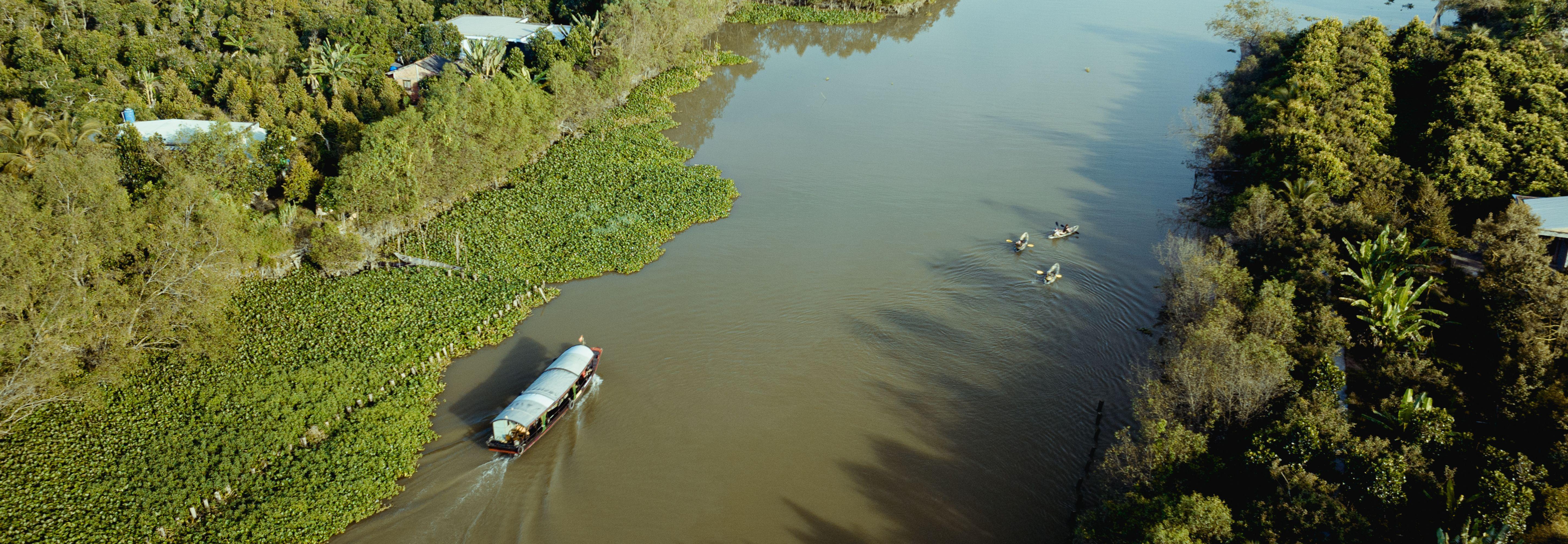
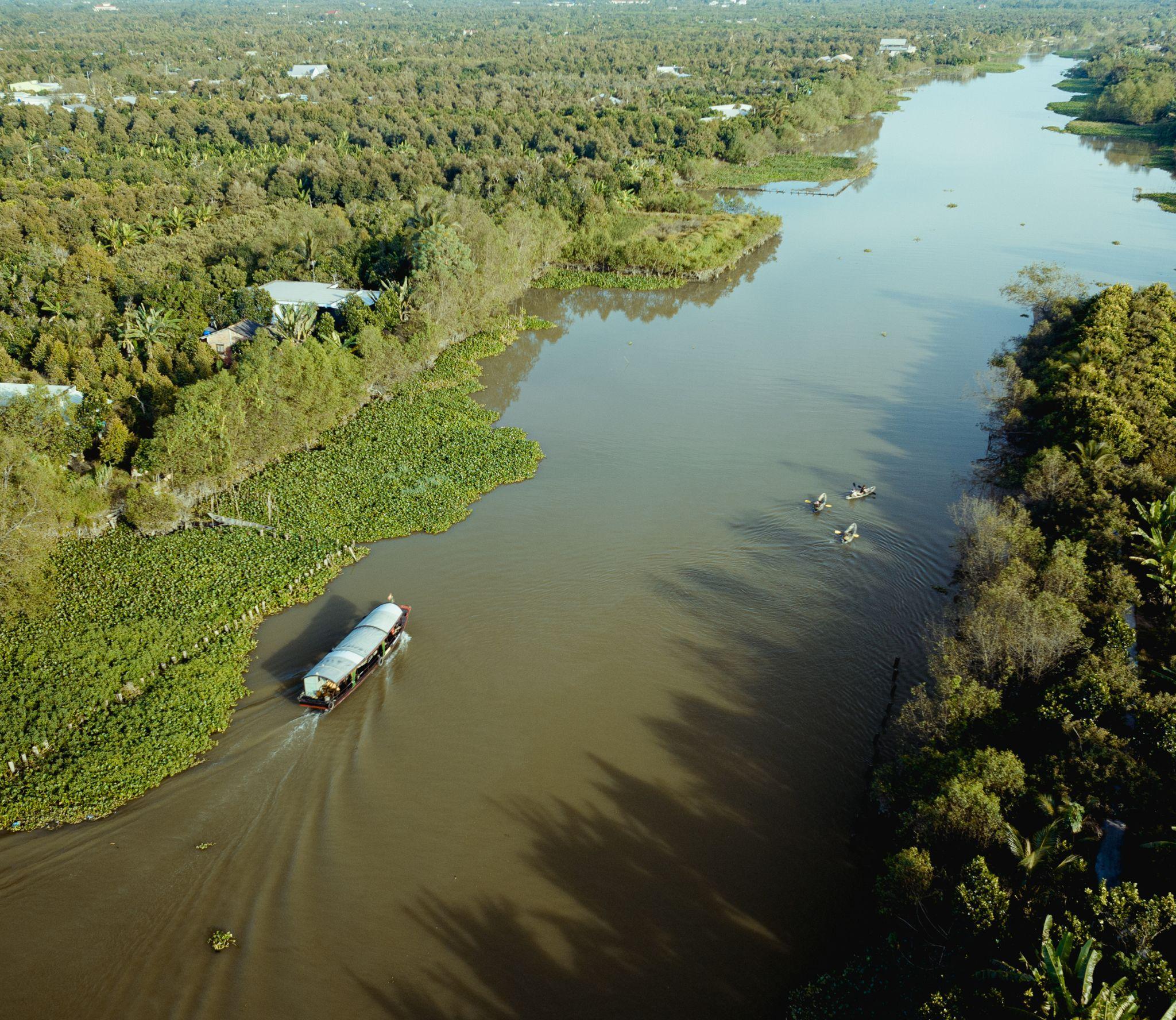
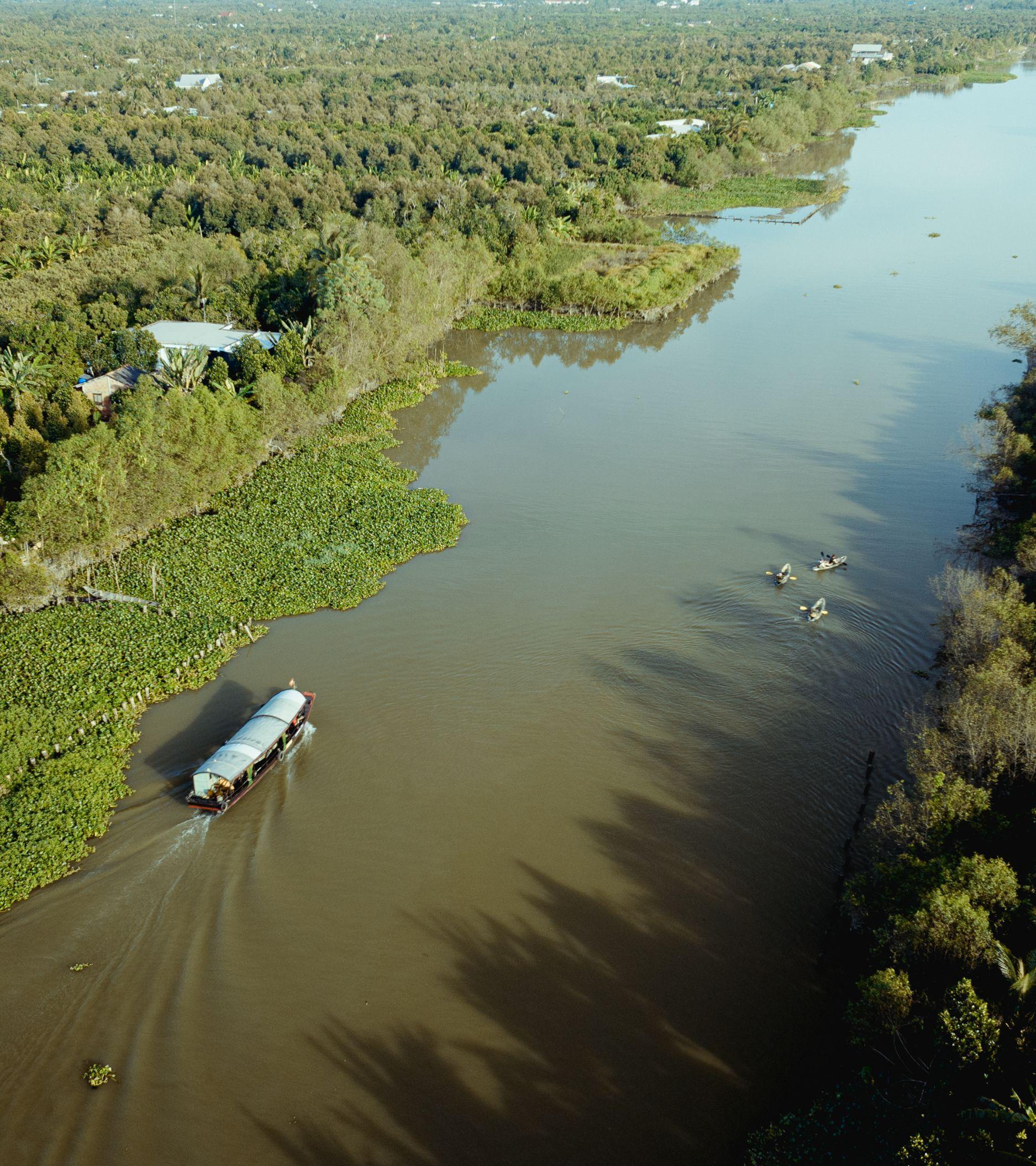
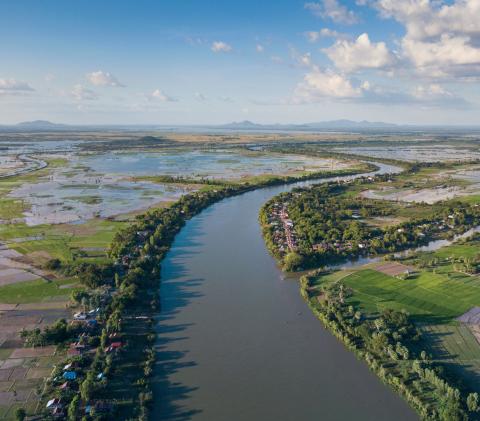
The Mekong River, also known as the “Mother of Water”, is one of the world’s greatest waterways. It plays a pivotal role in supporting the communities along its banks, with millions depending on its waters for their livelihoods. Much more than a geographical marvel, the Mekong River has woven a rich tapestry of cultures, communities and ecosystems.
For those looking for a truly authentic and immersive adventure through the Mekong Delta, Aqua Mekong presents an expedition unlike no other. To give you a glimpse of what awaits, here are some fascinating facts about the Mekong River.
Where is the Mekong River located?
Sharing its origin with the other two great rivers of Asia, the Yellow and Yangtze rivers, the Mekong river’s headwaters are located at Sanjiangyuan – an area in the great Tibetan Plateau that translates literally to “Source of Three Rivers”. From here, it breaks away from its sister rivers and flows into the heart of Southeast Asia, crossing through six country boundaries along the way.
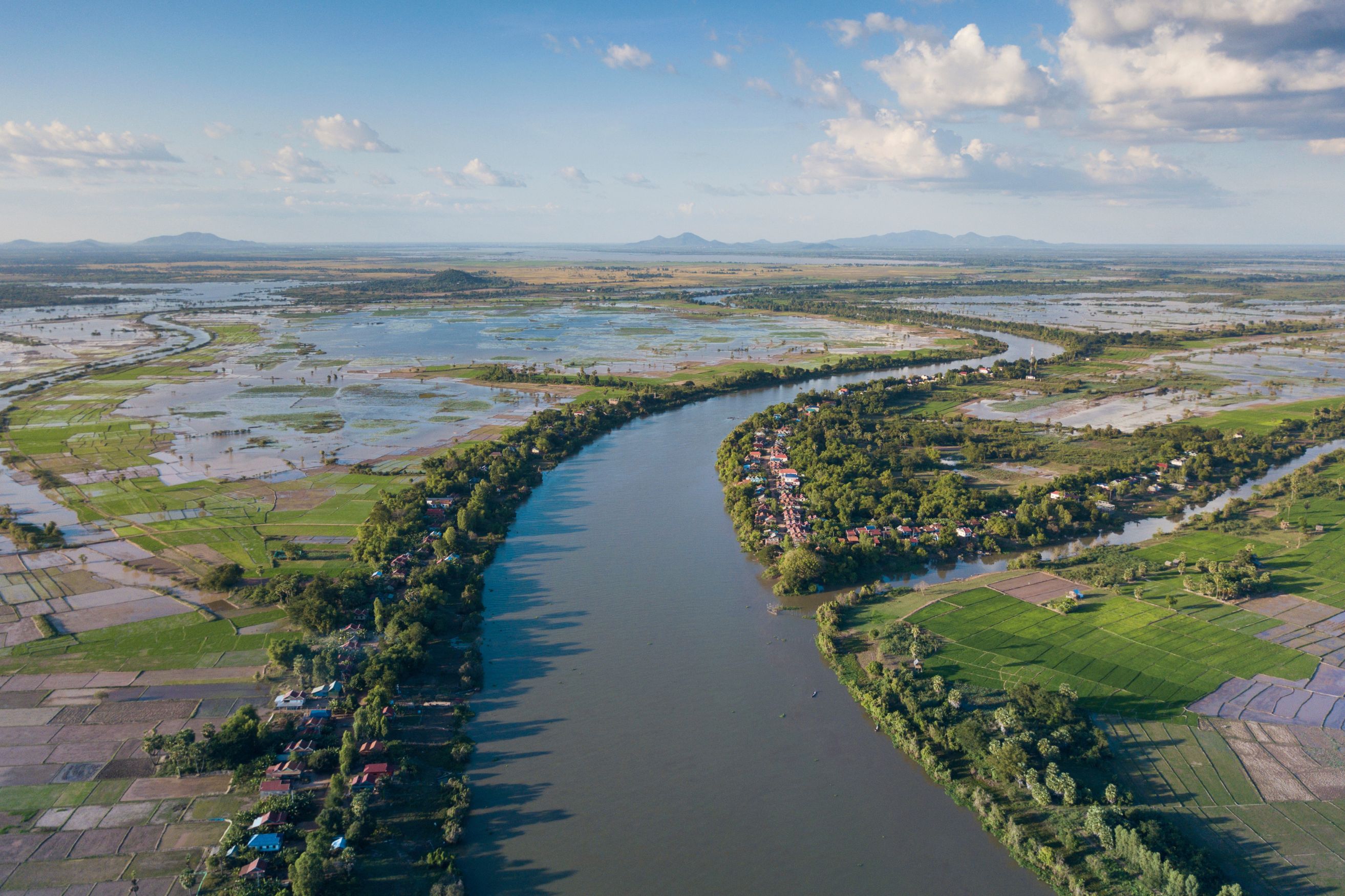
The Mekong River can be divided into Upper and Lower River Basins, with each having unique landscapes. The Upper Basin includes the part of the river running through the Sanjiangyuan area, China’s Yunnan province, and Eastern Myanmar. Downstream, the rest of the river is categorized as the Lower Mekong Basin. Finally, the river drains into the South China Sea via the complex Mekong Delta in Vietnam.
What countries does the Mekong River flow through?
The Mekong River is a complex system fed by a series of tributaries, flowing through six countries in Southeast Asia, namely China, Myanmar, Laos, Thailand, Cambodia, and Vietnam. The Lower Basin, comprising the part of the river that flows from Myanmar all the way to Vietnam, makes up 76% of the river’s total area and is where major tributary systems are developed.
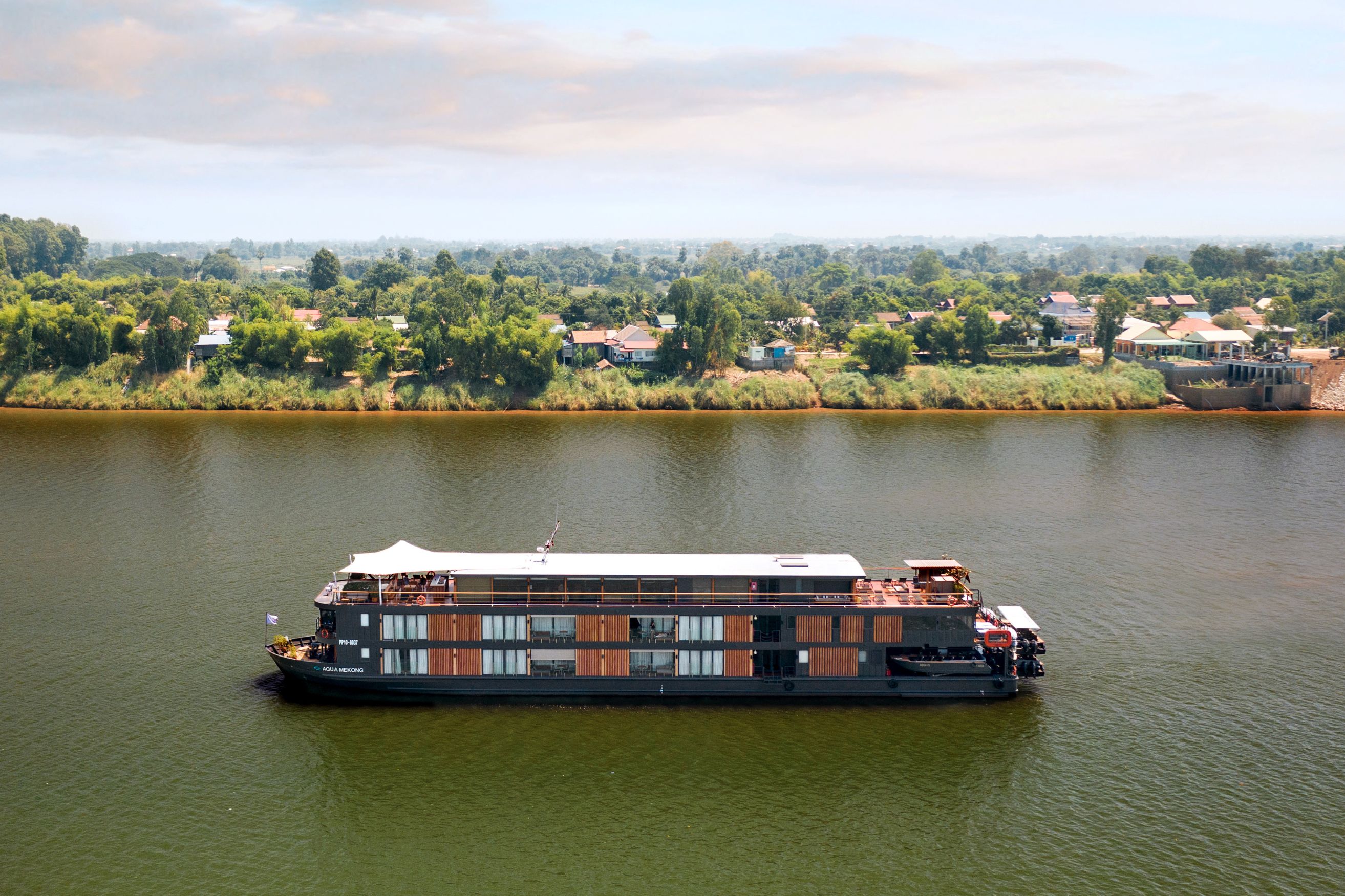
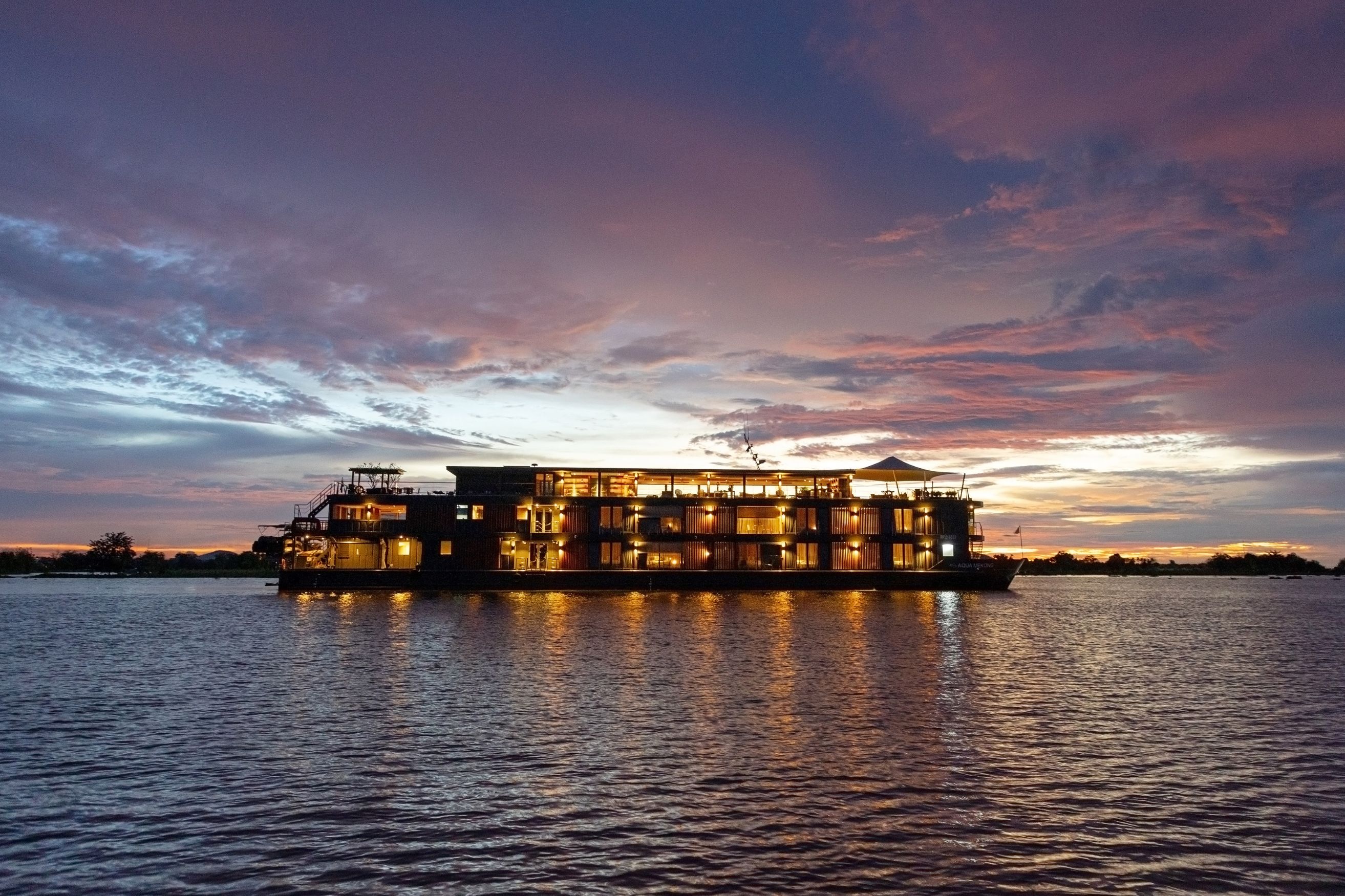
The Mekong River’s Cambodia and Vietnam legs, where the Mekong Delta region begins, are best explored aboard Aqua Mekong. Our award-winning river ship explores this iconic waterway all-year-round, with itineraries that offer adventure and authentic experiences without sacrificing luxury and comfort.
What cities are located along the Mekong River?
From the Funan Kingdom and the Khmer empire, to the Khmer Rouge regime and present day, the Mekong River has seen the rise and fall of civilizations. The resources the Mother of Water provides, along with its cultural and strategic significance has led to a multitude of cities and villages being set up on its banks. Most notable is Phnom Penh, the capital of Cambodia. Steeped in culture and the arts, the “Pearl of Asia” as it is known is a destination that most tourists have on their bucket lists for their Southeast Asian tour. Similarly, Ho Chi Minh City in Vietnam, affectionately nicknamed “Paris of the Orient” due to the French influence of its cityscape, is also located in the Mekong Delta.
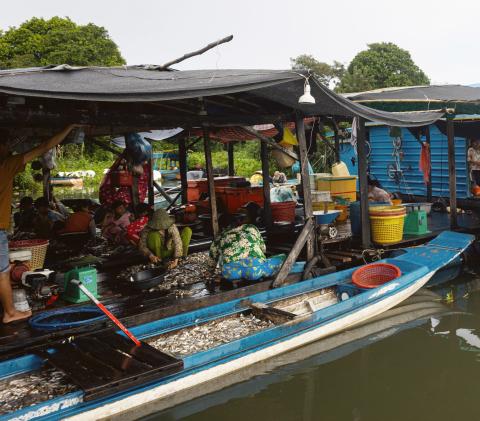
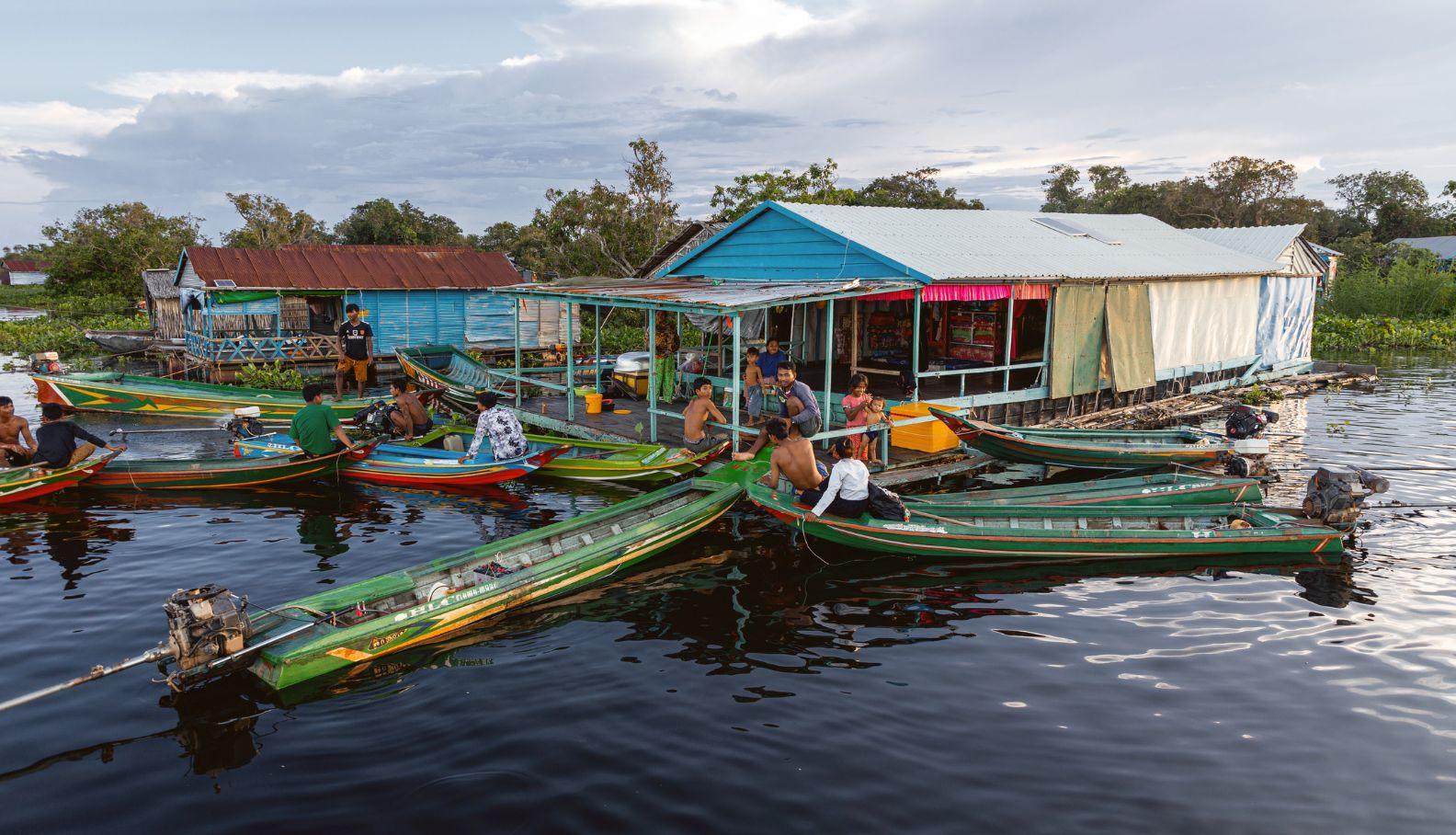
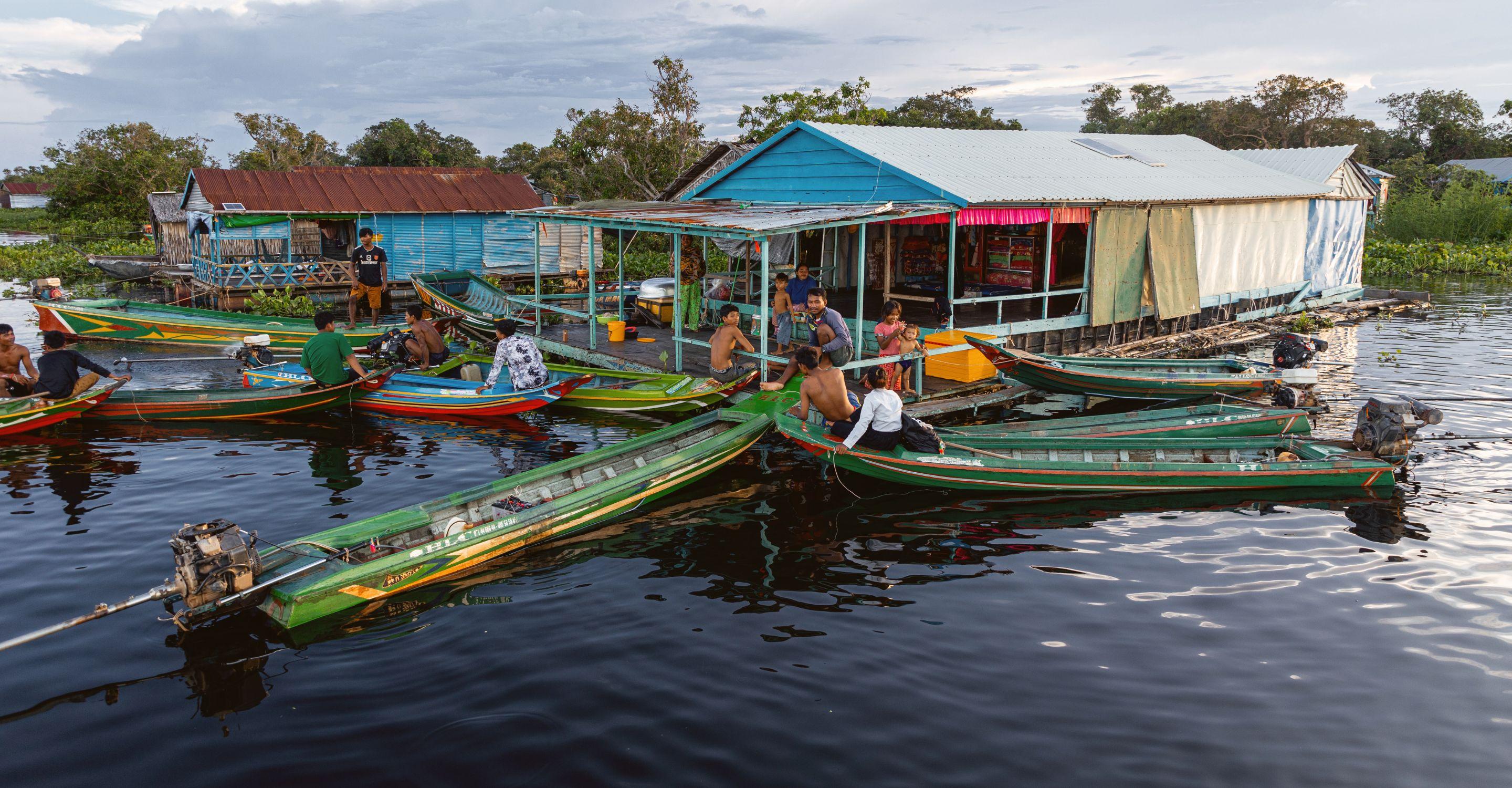
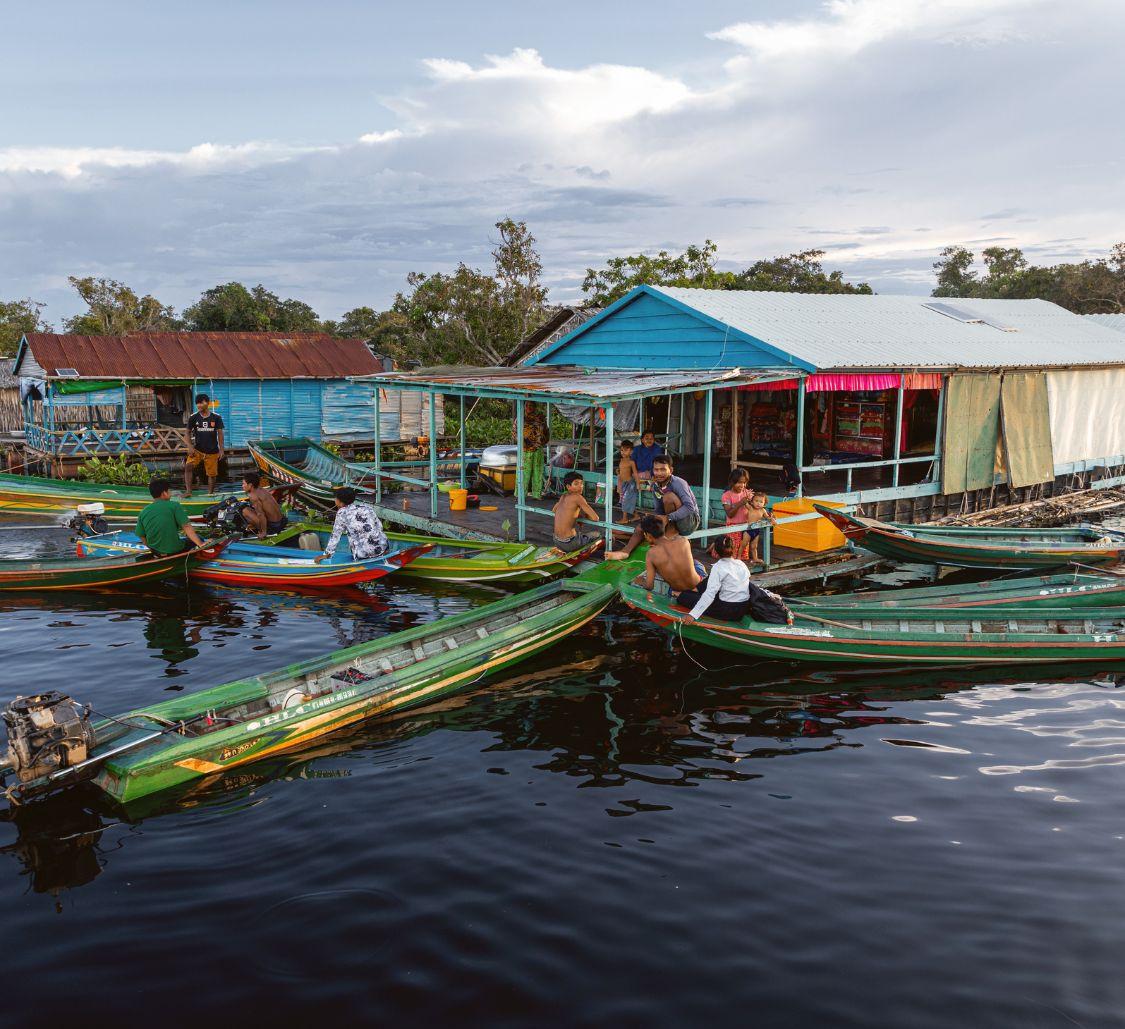
However, it would be remiss to only acknowledge these urban metropolises. Dotted along the riverbank are communities that have adapted to the river’s ebb and flow, creating unique ways of life that are intertwined with the water. This adaptation is most notably exemplified by villages along the river system, such as Phat Sandai in Tonle Sap Lake. In Phat Sandai, the villagers’ homes, community centers and even schools are built untethered to the riverbed, floating freely along the river’s surface.
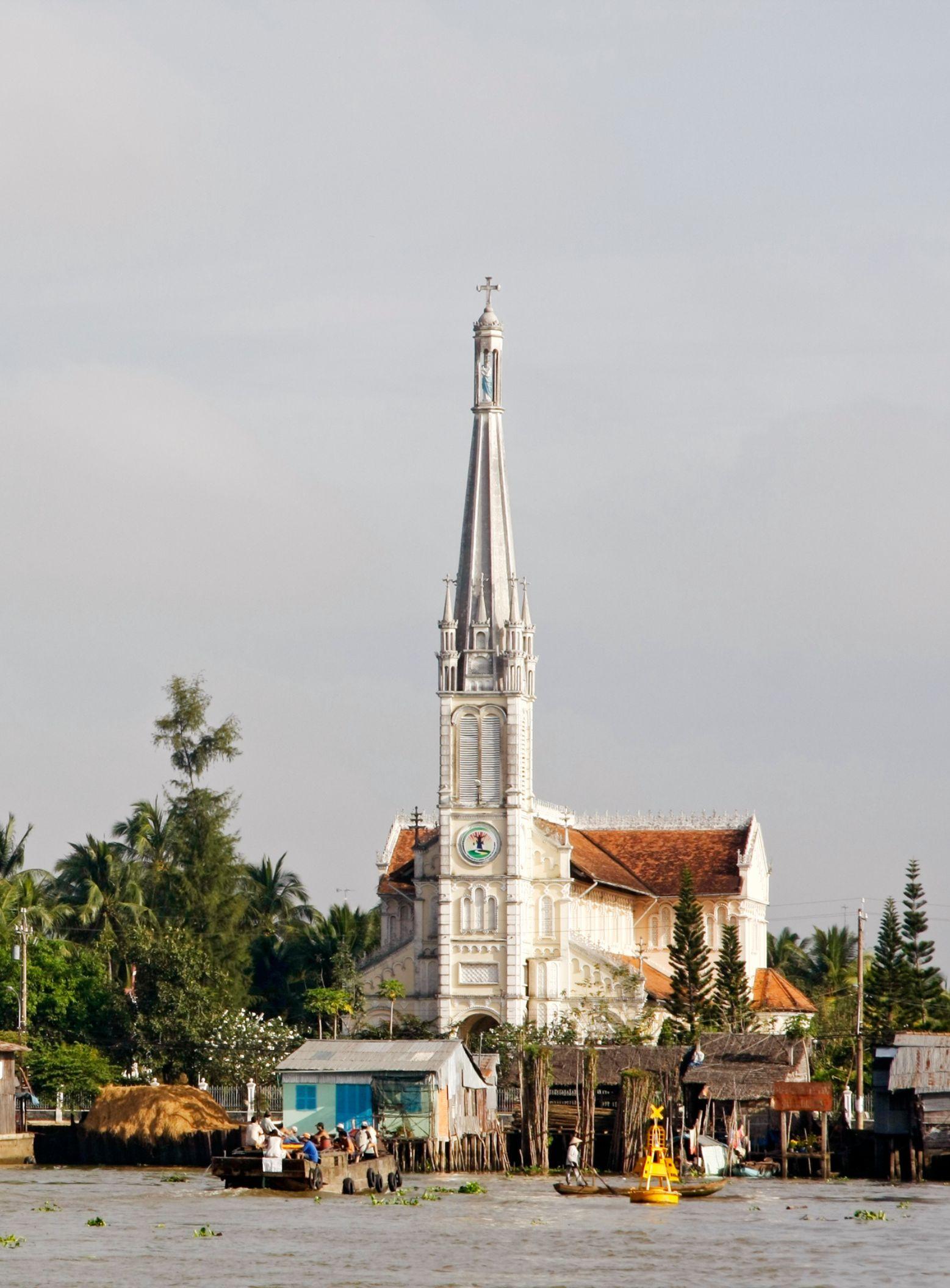
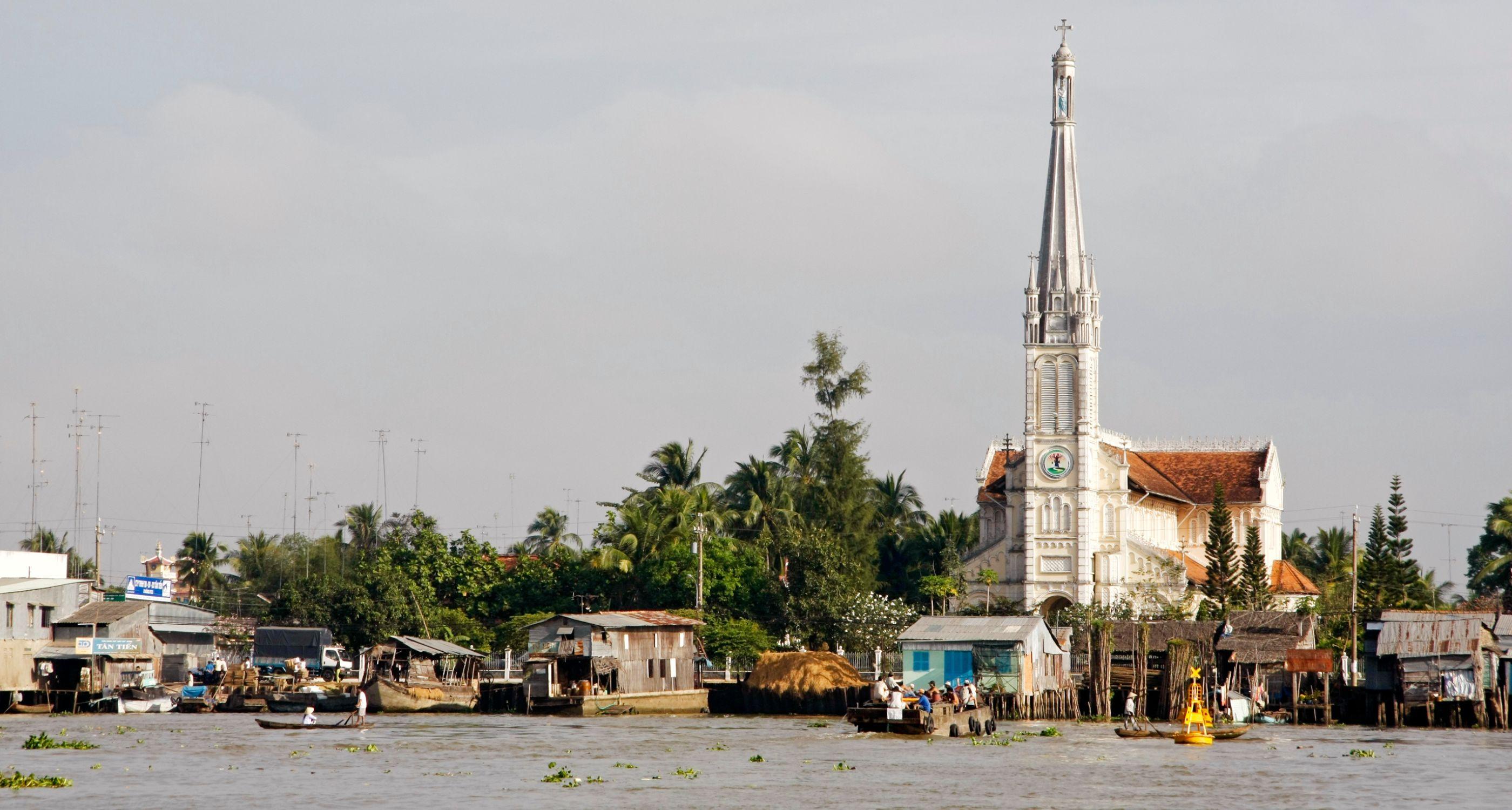
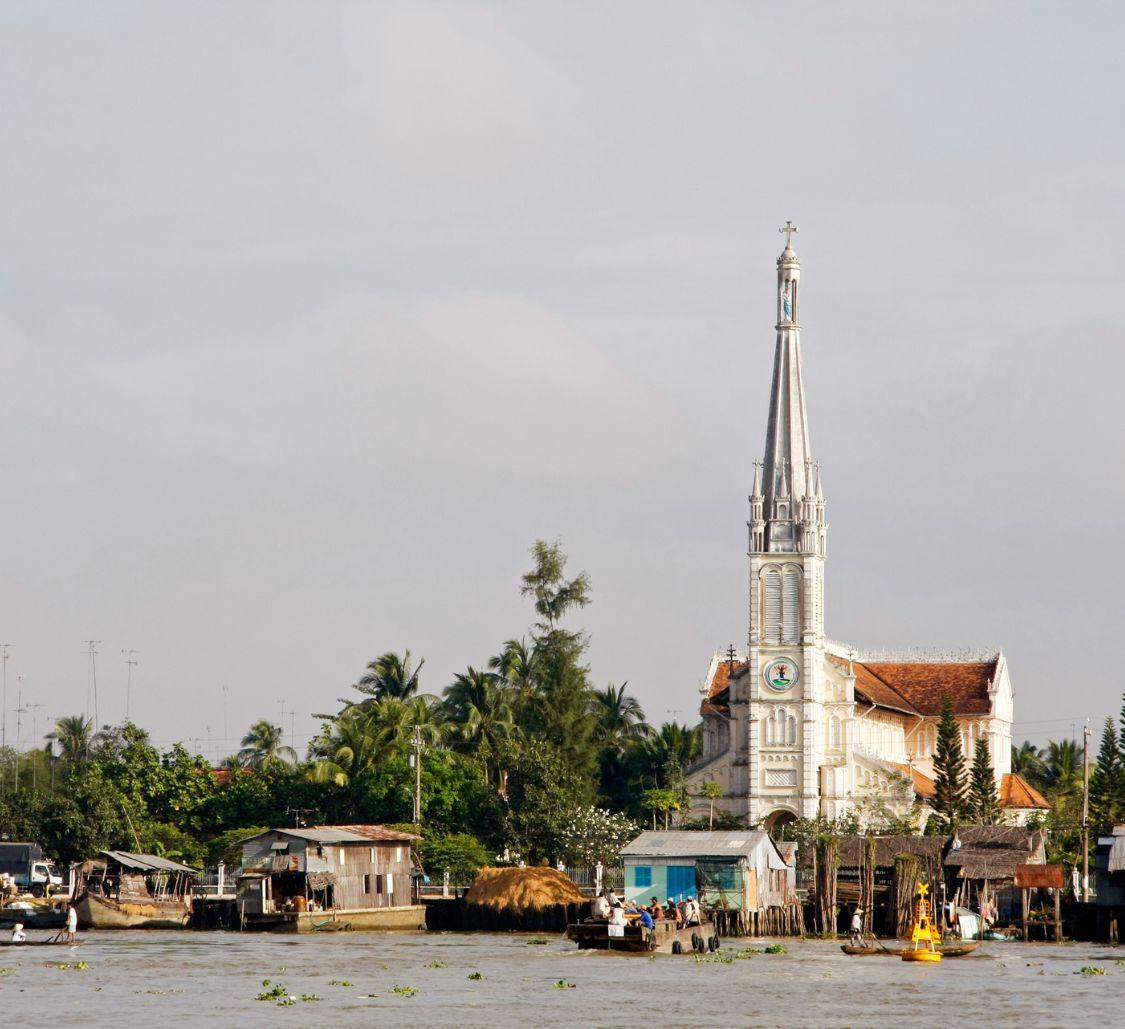
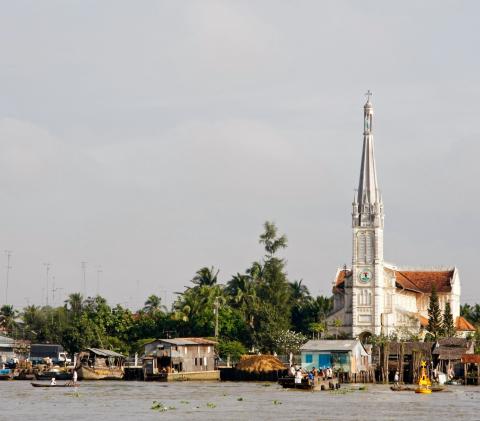
Further downstream, the Vietnamese border town of Chau Doc as well as the village of My An Hung encapsulates the river’s influence on agriculture and trade. Visitors can explore My An Hung village’s lush orchards, taste the delicious indigenous fruits, and enjoy traditional folk songs performed by the villagers. In these villages, the locals are much more in-tune with their native culture and art. For instance, in the village of Kampong Chhnang in Cambodia, also known as the “Port of Pottery”, the ancient art of molding clay into earthenware is still being practiced.
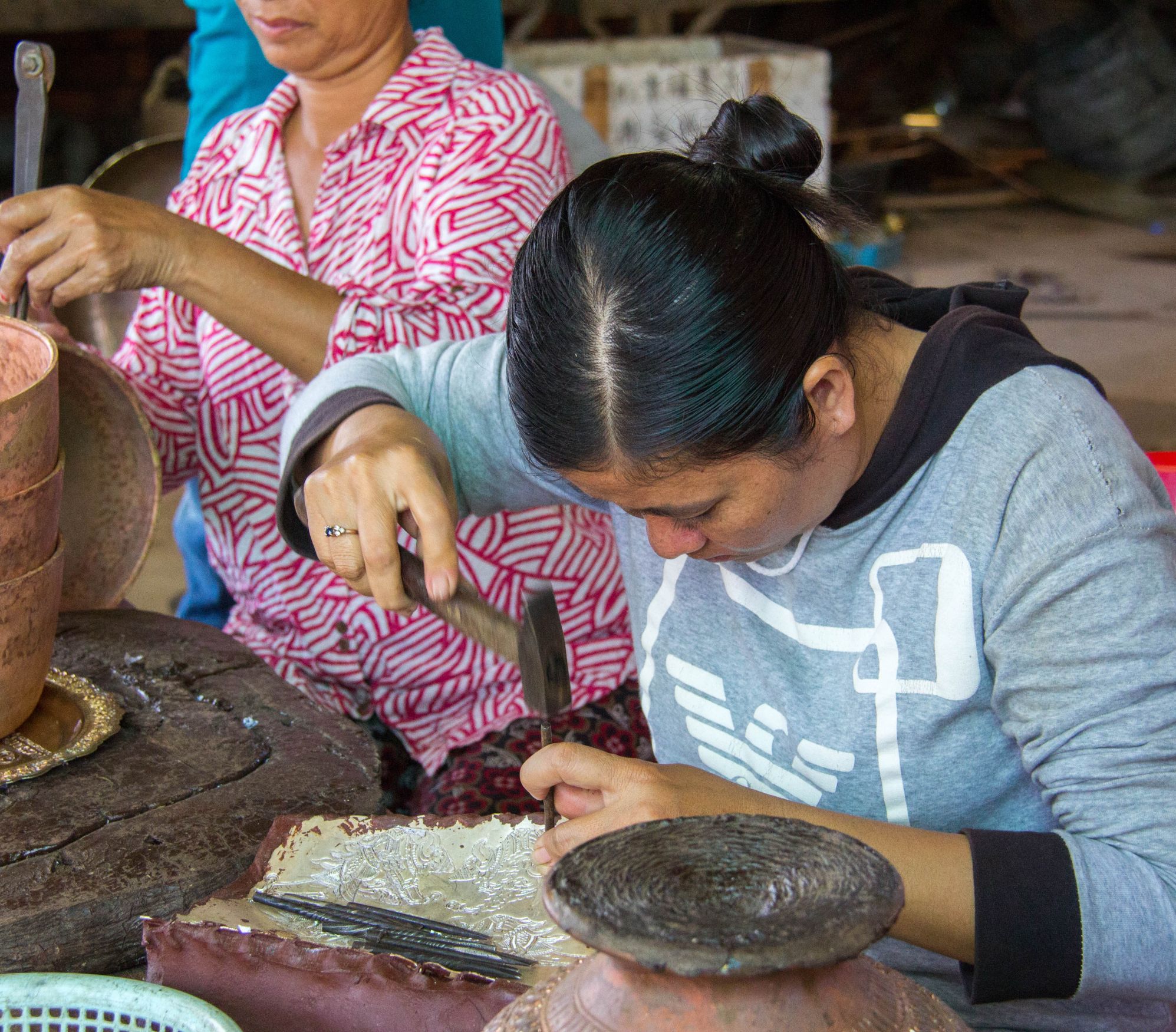
Another highlight that showcases the Mekong region’s artistic heritage is Koh Chen Village, famous for their intricate silver craft items that were historically chosen as gifts for visiting dignitaries by the Cambodian king. Visitors to the village can witness traditional silver shaping and engraving techniques that have been passed down for generations. Villages like Koh Chen and Kampong Chhnang, along with many others, are testaments to the region’s deep-rooted commitment to preserving their cultural traditions despite historical upheavals and the passage of time. Led by Aqua Mekong’s expert guides, take this chance to go off the beaten path, and discover the extraordinary locale and its people. Click here to learn more about Koh Chen and the other villages within the Tonle Sap Lake.
How long is the Mekong River?
The Mekong River is 4900 kilometers, or a little over 3000 miles, long. The river also occupies a massive 795,000 km² area (307,000 sq mi), discharging 475 km3 of water annually into the South China Sea.
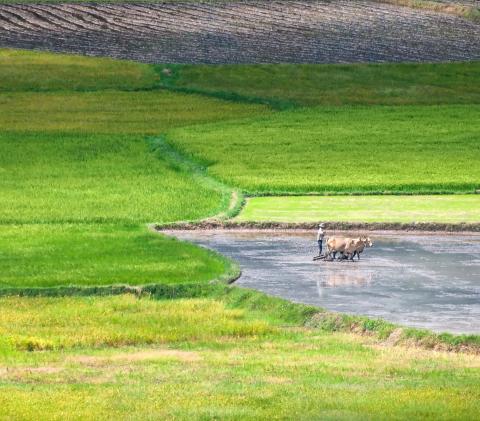
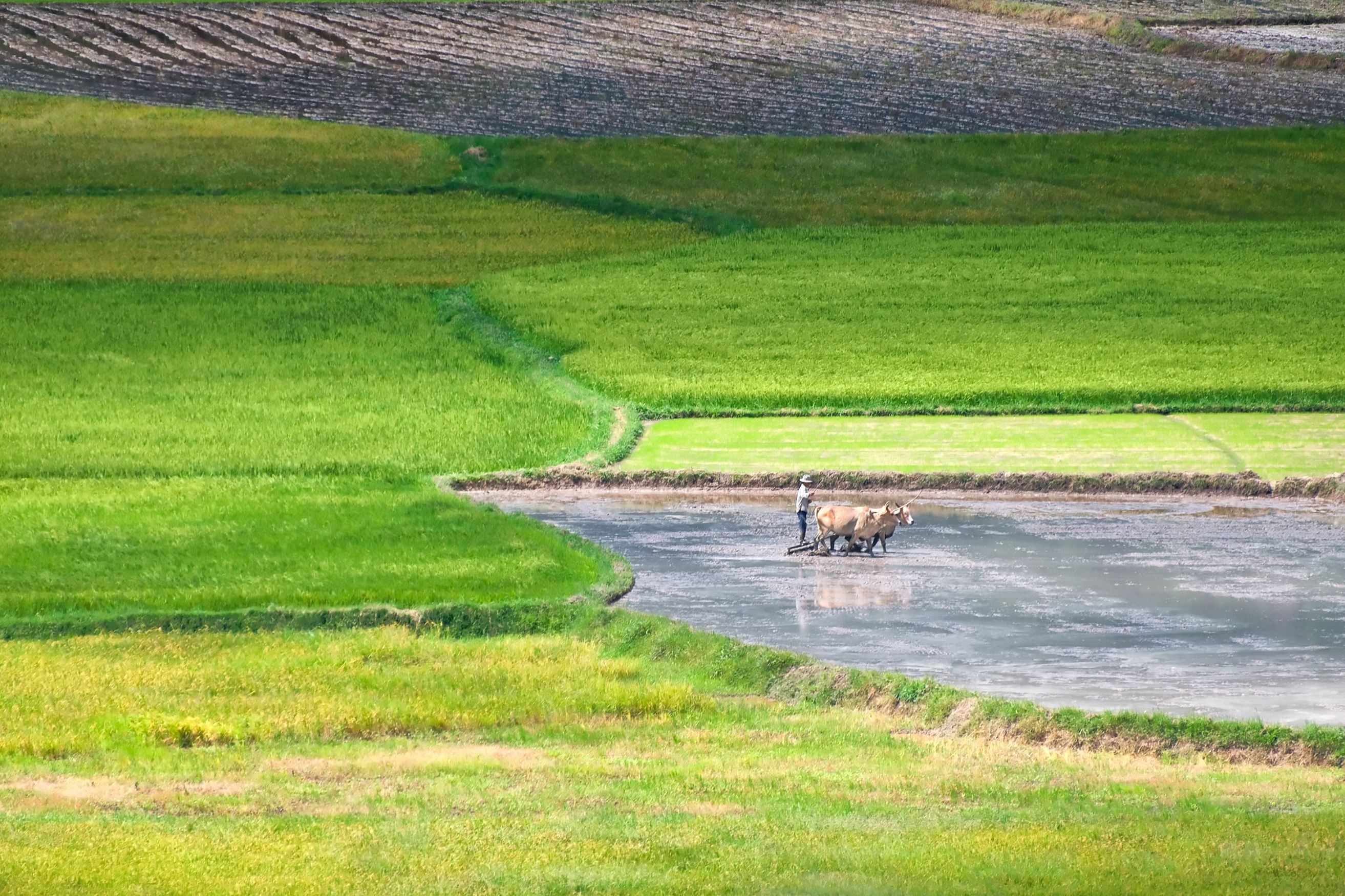
This intricate network of waterways supports a rich agricultural landscape, earning it the title of being the “Rice Bowl” of Asia. The water supplied by the Mekong Delta fuels the surrounding wetlands, making it perfect for the cultivation of rice. Additionally, by being the largest inland fishery in the world, with 25% of the world’s freshwater catch coming from its waters, the presence of the Mekong River serves as an economic advantage for the countries it runs through.
What wildlife can be seen in the Mekong Delta?
The Mekong Delta is one of the world’s most biodiverse and fertile regions on the planet, supporting a myriad of terrestrial and aquatic life. It is home to over 1000 animal species, with over 450 of them being fish. Among its marine inhabitants is the Elephant Ear fish, a staple in the local cuisine.
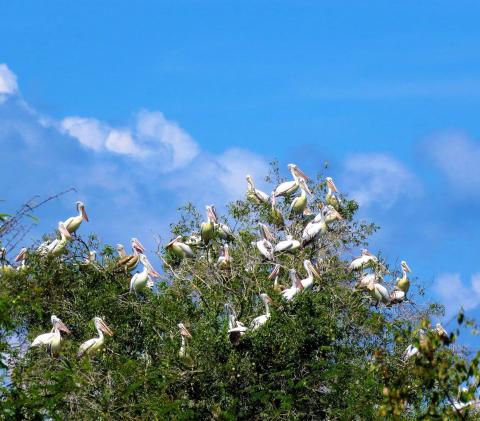
A popular hotspot for birdwatching, the river serves as a habitat for a wide array of bird species, such as waterfowls, kingfishers, egrets, and herons, which thrive in the river’s ecosystem. Moreover, the Mekong River system provides a sanctuary for several rare and endangered species. Among these are the Milky Stork, Spot-Billed Pelicans, and Greater Adjutant, all of which are in decline due to a combination of hunting activities, deforestation, and pollution.
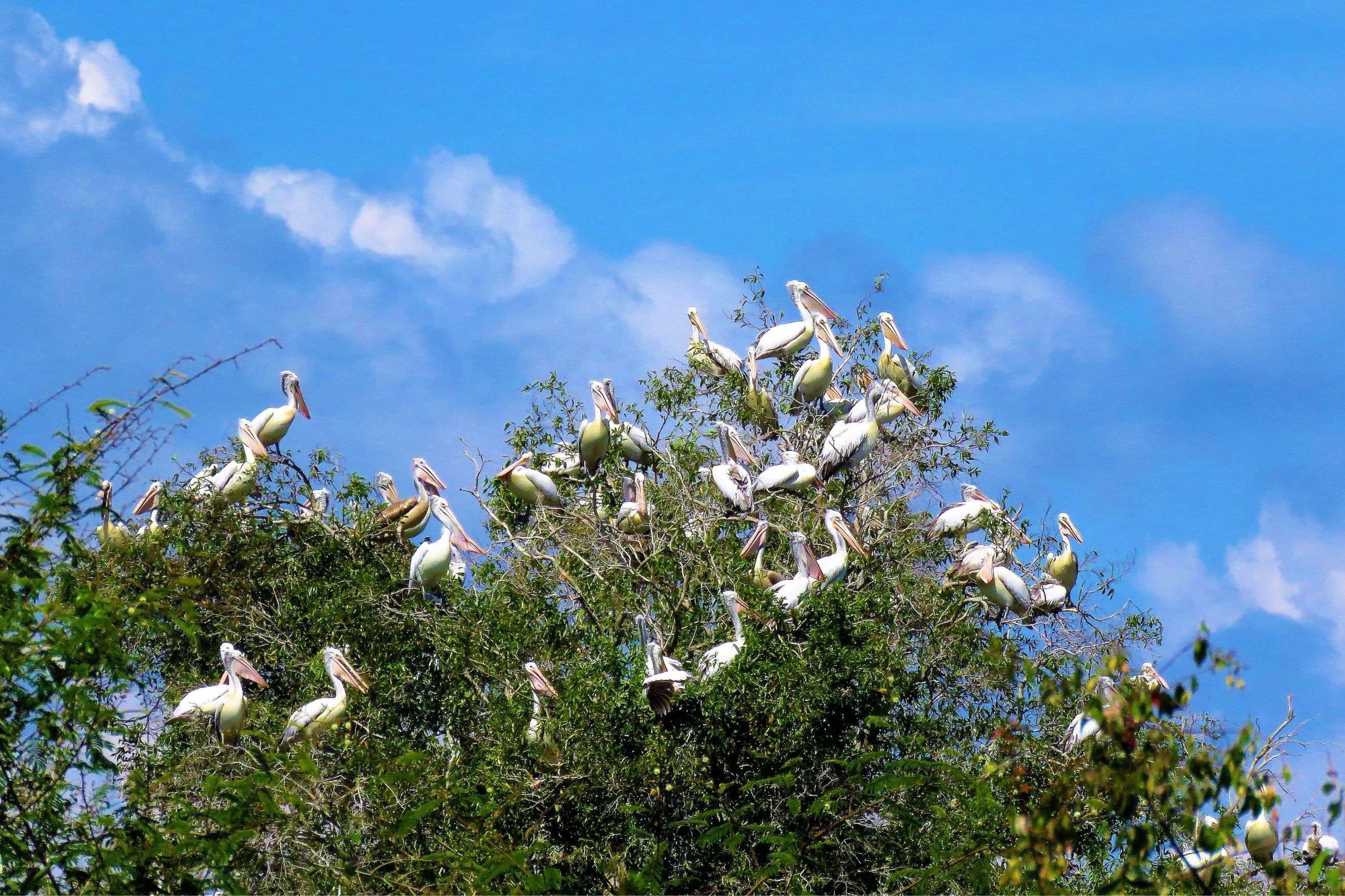
Fortunately, wildlife reserves and ongoing conservation efforts are working to protect these vulnerable species from going extinct. Located within the Tonle Sap Biosphere Reserve, the Prek Toal Bird Sanctuary is one of such places and is considered a crucial breeding ground for endangered waterfowl.
Aqua holds the unique privilege of being the only expedition operator allowed within these grounds. Aboard one of Aqua Mekong’s speedy and low-emission skiffs, enjoy this once-in-a-lifetime opportunity of seeing such rare and endangered creatures in their natural habitat.
Treasure trove of unique experiences
The Mekong River offers a one-of-a-kind adventure brimming with historical and cultural landmarks, along with some truly unique and rare wildlife. Join us on board Aqua Mekong to discover the lower Mekong basin and engage in truly authentic experiences that you will remember for a lifetime.
Book your voyage now or contact our Expedition Consultants to find out more.