Modal Title
Best time to visit the Arctic Circle
Section Header
Weather and Climate
Summary
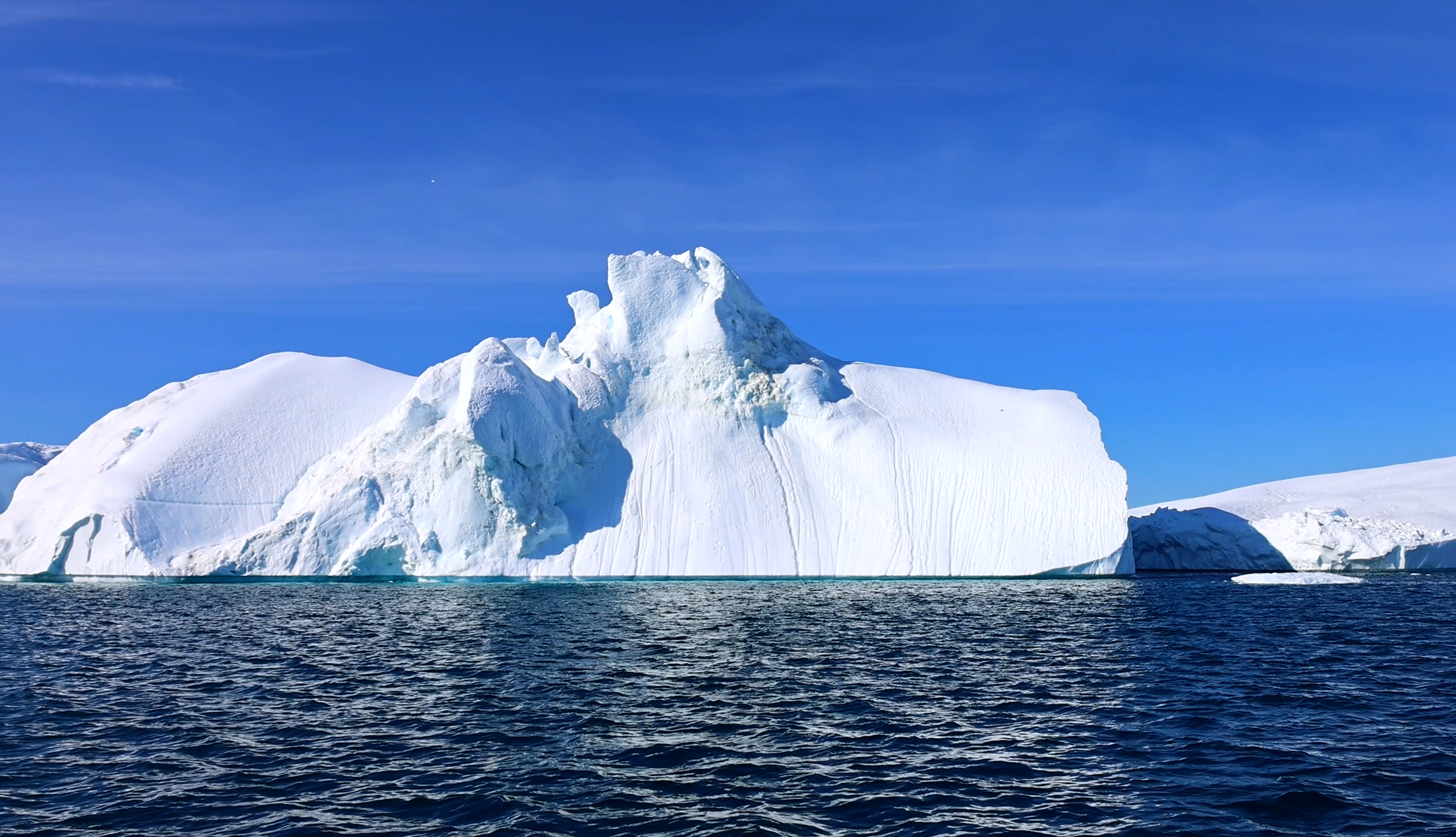
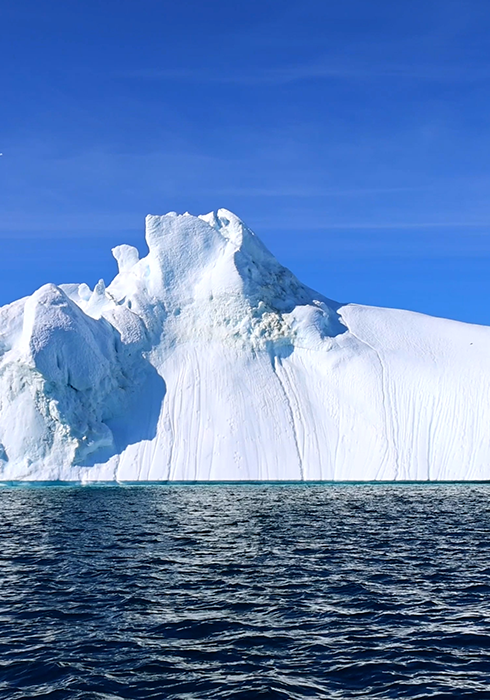
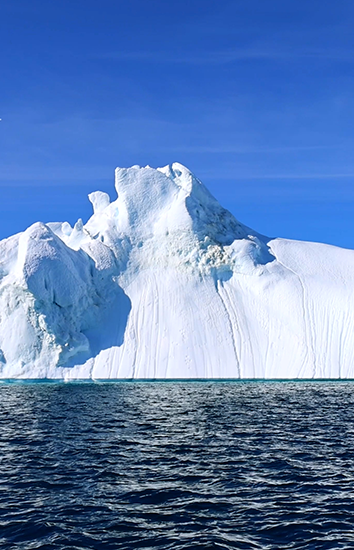
Summers in the Arctic bring a remarkable transformation: snow melts from the pack ice, near-continuous daylight illuminates the landscape, and wildlife returns to the mainland. From June to September, temperatures hover around 10°C (50°F) — warm enough to ease travel yet cool enough to preserve the region’s stark beauty. Calm, clear days reveal mirror-like waters and distant glacier-capped peaks, perfect for scenic cruises to Spitsbergen, while rain and fog are less common. In Svalbard and the Norwegian Fjords, long daylight hours allow uninterrupted exploration. Further south, the Scottish Isles enjoy slightly milder conditions, with lush green landscapes framed by dramatic coastal cliffs.
Style
Single Column
Body Content
Images
Image

Type
Landscape 4:3
Images
Desktop
Tablet
Mobile
Use Aspect Ratio
Off
Turn Off Scroll Motion
Off
Body Text
Summers in the Arctic bring a remarkable transformation: snow melts from the pack ice, near-continuous daylight illuminates the landscape, and wildlife returns to the mainland. From June to September, temperatures hover around 10°C (50°F) — warm enough to ease travel yet cool enough to preserve the region’s stark beauty. Calm, clear days reveal mirror-like waters and distant glacier-capped peaks, perfect for scenic cruises to Spitsbergen, while rain and fog are less common. In Svalbard and the Norwegian Fjords, long daylight hours allow uninterrupted exploration. Further south, the Scottish Isles enjoy slightly milder conditions, with lush green landscapes framed by dramatic coastal cliffs.